Cognitive Behavioral Therapy Techniques
Step 5
Mastering cognitive behavior therapy! The MOST important step!
Cognitive behavioral therapy is a form of talk therapy that helps you to become more aware of your own negative, unproductive, self-defeating thinking about certain situations and/or circumstances and helps you get into the habit of reframing thoughts to be more realistic, encouraging, and optimistic. It is also focused on changing behaviors based on those new thoughts. By thinking the right things and acting on those right things, you help produce a healthy response in your mind and body. When practiced regularly and often, you'll find yourself becoming mentally/emotionally stronger and more resilient to stressful situations. It is the MOST important step in helping you to overcome your anxiety, panic attacks, depression and other mental health challenges. Cognitive Behavioral Therapy techniques are helpful to anyone who wants to better manage stressful situations and they can be done in a professional setting with a qualified therapist in combination with other therapies or alone as a form of self-help therapy.
Since this website is dedicated to those looking to help themselves, we will focus here on self-help cognitive behavioral therapy techniques that you can impliment at home and on your own.
How long will it take to work?
I am going to be honest here - It will take AS LONG AS IT TAKES for YOU! Everyone is different and how quick you feel the results of this practice will depend on how persistent you are in your self-help therapy. It does take a bit of time to change your thinking and have it become automatic, so be patient with yourself. There is a bit of a learning curve with this therapy and what that curve may be will be unique to you in your own journey.
Important things to consider...
Be HONEST with yourself when doing self-help cognitive behavioral therapy. There is no sense lying to yourself if you are really interested in overcoming your anxiety, panic attacks, depression or other mental health challange. Being truthful with yourself and part of the deal! Unless you stay truthful and real with yourself you will just be wasting your time.
Plan each day to include time to sit down, be quiet and journal! We spoke about journaling with Step 2 but it is something you must continue to do throughout the course of all guided steps.
If you, at anytime, are finding self-help cognitive behavioral therapy difficult after a good stretch of time, do not put off seeing a professional. A qualified cognitive behavioral therapy therapist can help you immensely. However, if you want, you can also use the Interactive portion of this website to get in touch with others just like yourself to ask questions, share thoughts, or get ideas to help you along the way.
Common Self-Help Cognitive Behavioral Therapy Techniques include:
Cognitive = Thinking
With this technique, you'll be identifying negative/defeating thoughts and notice how these thoughts affect how you feel. Feelings are ALWAYS secondary to thoughts! So, if you don't feel good emotionally, ask yourself what you are thinking! Some try to do this inside their heads but many times many find this difficult, so write them down if you must and challenge them one by one! Ask youself, Is what I'm thinking true? Is there a more optimistic way to look at this? If so, what is it? Many negative thoughts that we think are subconsious, come naturally and without effort... the goal is to turn this thinking into a more realistic, optimistic pattern that come naturally without much effort. As difficult as it is, eventually, with persistance and determination, you can do this for yourself. It has been said that for every negative thought, it can take 1000 repetitive positive-counter thoughts to finally stick. So that should tell you how much you need to practice and how important this step is in your recovery.
Behavioral = Action
This is where you plan actions/activities where you can provoke your automatic negative thinking so you can practice positive thought replacement. It is also where you take steps to face your fears while using replacement thoughts. This might mean talking yourself truthfully through unwanted body symptoms, or even through a stressful unwanted situation. If you need help with facing your fears because the feelings are too insense at first, it does help to have a support person with you in the beginning. However, you don't want to become dependent on this support person and eventually will need to face your fears alone. Also, you'll need to be mindful to plan ahead for enough time to practice. For help with time management, click here. There are some excellent free worksheets that you can download online and work as part of your behavioral therapy. A great website is CBT Techniques: 25 Cognitive Behavioral Therapy Worksheets.
Too hard to practice self-help cognitive behavioral therapy?
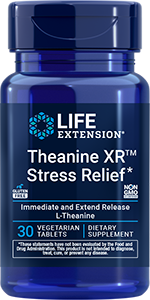
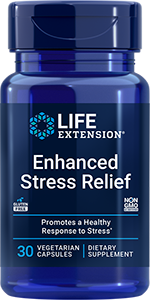
Sometimes the physical symptoms and racing thoughts during practice are overbearing, making it difficult to practice the therapy needed to get better. This is when you might want to think about trying a natural supplement that can help take the edge off of your symptoms to help make practicing a bit easier. There are many different natural options such as herbs, certain vitamins, and other supplements that people find effective. Many also have scientific research to back them up in their use for stress, anxiety, panic attacks and depression. You'll find all of these options here on our website. And if none of these things work for you and you feel your need professional intervention you may consider prescription medication and can talk about that with your physician.
Additional Resources for Cognitive Behavioral Therapy Techniques
Below are some of the best books for teaching you how to use cognitive behavioral therapy techniques for overcoming anxiety and depression. They are step-by-step books that are easy to follow.
Step 5 Actions:
1. Take time each day to practice relaxation breathing. Be mindful of tension, habits of holding your breathe or overbreathing throughout the day. These are great moments to practice.
2. Plan a daily event you can do that will help you face your challenged situation. Remember, you get to pick how little or how much work you want to put into this. You are in full control over yourself and your comings and goings. Do something even if it's small and then slowly increase your activities as you see fit. Just be sure you are challenging yourself and when you are done, you quickly affirm yourself and your efforts!
3. Work on changing your diet to include foods that will support your body during this time. Also, consider natural supplements if you think you might need some help.
4. Continue incorporating exercise into your daily routine. Spend at least 20 minutes each day on your preferred type of exercise, such as aerobic, strength, or toning exercises. **Consult with your physician prior to doing this, especially if you currently suffer with a physical problem or are currently taking medication for a pre-existing condition.**
5. Spend approx. 10-20 minutes each day on your choice of isometric or progressive muscle relaxation exercises.
6. Write in a journal each day, preferably before bedtime, but this can also be done any time of day and more than once if you choose. Don't pressure yourself, just write whatever comes to mind. Leave some blank writing space at the bottom of the page.
7. Read over your journaling. Do you notice thoughts that are particularly negative or sound hopeless? If so, take this time to rewrite those thoughts in a more positive, optimistic, truthful way at the bottom of your journal page. Do this Positive Thought Replacement Homework at least once a day. If your thoughts are racing around and going through a particularly hard time, it helps to do this homework as many times possible throughout the day. As silly as this feels, it is very important that you DO NOT skip this exercise. Repetition is IMPORTANT and will help you get into the habit of becoming more away of your negative inner dialogue.
8. If you are struggling with obsessive thinking, take the time each day to practice visualization exercises and Positive Thought Replacement Exercises.
9. When you understand how to practice cognitive behavioral therapy techniques and have actually started a daily routine of it, move onto Step 6 - Effective Stress Management Strategies. Do not move forward until you are ready!
Return from Cognitive-Behavioral-Therapy-Techniques to Sound-Mind.Org Homepage
Guided Steps to Recovery
Natural Supplements
Want to recover without using medication? There are many different kinds of supplements that are available and very effective in helping people combat the physical symptoms of anxiety.