Diet and Mental Health
Step 4
Welcome to Step 4 in your guided recovery plan!
How you eat can affect how you feel. A Healthy diet is another way you can invest in your mental health. Studies show that when you consume a diet rich in nutrient dense foods it can have a positive impact against anxiety, depression and other mental health challenges. These studies also show that when you eat a diet high in refined sugars it can impair brain function and worsen your mental health symptoms.
Seratonin, a hormone and neurotransmitter in the brain (also known as our "feel good brain chemical") impacts every part of us. It is needed for regulating the nervous system and for brain function, from emotions to motor skills to digestion, sleep and also keeping our moods in check. Seratonin is highly influenced by our gut microbiome and when the digestive system is not functioning properly it affects our seratonin levels. A healthy digestive system is vital for the proper absorbtion of vitamins, minerals and also vital to keeping a healthy mind. The healthy bacteria in our gut is important in protecting us from too much inflammation and make sure there is a good pathway from our gut to our brains where nutrients are needed. So, what we eat and how well our digestive system is working will determine how we feel in both mind and body.
It is not uncommon for people with high amounts of stress, anxiety, depression and other related issues to suffer with digestive issues. Common digestive issues like heartburn, indigestion, nausea, vomiting, abdominal pain, irritable bowel syndrome (IBS), colitis are often triggered by mental health challenges. Therefore, since we cannot escape all stress in our daily lives, it is crucial to eat well and find ways to keep this stress and anxiety under control. You need to remember that chronic stress contributes to disease. The mind and body work together and when one is suffering it affects the other. Just as a chronic illess in the body can break down the thinking mind and emotions, a chronic mind and emotional struggle can break down the body and make you physically sick. So, part of getting better and overcoming anxiety is realizing that it takes a mind and body approach to healing to help bring everything together in harmony again.
The Anxiety and Depression Diet
What should you be eating?
Foods High in Vitamin C
Vitamin C has been shown to lower levels or cortisol and keep blood pressure at a healthy level. Foods that are high in Vitamin C are helpful in combating the negative mental and physical symptoms of stress and anxiety. Eating foods high in Vitamin C may help you deal with stressful events more comfortably and successfully. Some foods that are richest in Vitamin C are red peppers, kale, citrus fruits, tomatoes, broccoli, and kiwi. It is very important to note that Vitamin C is easily destroyed by heat and open exposure to air and sunshine. Eating Vitamin C rich foods are best if eaten raw. The longer you cook these foods and subject them to high heat, the more Vitamin C will be lost.
Vitamin Rich Foods
B Vitamins are responsible for supporting neurotransmitters in the brain. They also help with supplying energy to the body as well as helping the body metabolize important amino acids. Some foods highest in Vitamin B are oatmeal, pears, peppers, cabbage, squash, raw garlic, and even some spices, such as paprika.
Calcium
Calcium is calming! I am sure you have heard many talk about that glass of milk at bedtime to help you when you cannot sleep. Well, it is true! Calcium has been shown to produce a sense of calm in many who are tense and it has tranquilizing effects. Foods highest in calcium are yogurt, milk, sardines, cheddar cheese, mozzarella, kale, broccoli, and spinach. They are all great sources of calcium.
Omega 3 Fatty Acids
Foods rich in Omega 3 fatty acids have shown to improve cognitive function in those suffering with anxiety as well as depression. A diet that is high in oily, fatty fish such as salmon, mackerel, tuna, and sardines is good. Other good sources of Omega 3 fatty acids are found in walnuts, flaxseed oil, soybean, and canola oils.
Magnesium
Magnesium is important in an anxiety diet because it helps with the physical tension associated with stress and anxiety. Magnesium works with your muscles and helps them to relax. Usually people who are chronically stressed are depleted in magnesium. Foods richest in magnesium are seaweed, soybeans, wheat bran, pecan nuts, filbert nuts, hazelnuts, almonds, navy beans, rice, flour, rye flour, cherries, oranges, and peaches.
Proteins
Proteins rich in Tyrosine, Tryptophan and other essential amino acids help boost neurotransmitters in the brain. Seaweed, soy protein, and cottage cheese have the highest levels of Tyrosine. Some of the highest levels of Tryptophan can be found in seaweed, soy protein, sesame seeds, shrimp, lobster, crab, and also turkey.
Foods High in Antioxidants
The important role of antioxidants can't be ignored. Antioxidants are responsible for helping the body to rid itself of free radicals. Free radicals are organic molecules in your body that are responsible for tissue damage that results in aging, inflammation, allergies and they also disrupt the proper function of your organs. It is important to note that we create more free radicals during times when we are physically or emotionally stressed. Foods that are high in antioxidants help protect your body. Foods such as: beans (especially small red beans), berries (blueberries, raspberries, blackberries, strawberries), broccoli, tomatoes, garlic, red grapes (including juice and red wine), spinach, tea (black or green tea), carrots, soy, and whole grains. Small amount of antioxidants are also found in spices like cinnamon, cloves, and oregano and can also be found in some nuts.
Carbohydrates
Carbohydrates are calming foods. Believe it or not they have a great effect on your brains chemistry. Carbohydrates help produce serotonin in the brain. Serotonin is an important "feel good" chemical in the brain. During depression and stress, serotonin levels are low and need to be replenished. Complex carbohydrates are best because they have a longer effect, they keep you fuller longer, and are much better for you. Good sources are whole grains, beans, brown rice, oatmeal, soybeans, and all fruits and vegetables. It is important to say NO to simple carbohydrates! Simple carbohydrates are unhealthy and should only be used in moderation. Some examples of simple carbohydrates are white sugar, corn syrup, fruit juice, candy, soda, baked goods made from refined flours, and almost all boxed cereals.
Vitamin D
Vitamin D has a profound effect on the brain and mood. Foods like milk, cheese, and fish are all excellent sources of vitamin D. However, sunshine provides us with the best source of Vitamin D. 10-15 minutes of sunshine per day is more than enough to provide you with adequate vitamin D. It is shown that even at a minimum, this amount at minimum 2 to 3 times a week is also enough for most people.
Selenium
Some studies show that selenium rich foods have a great effect on those suffering with depression. It is important to note that selenium has not shown to make a difference in all people suffering but enough to take notice! Included in a depression diet, foods like corn, wheat, rice, walnuts, soybeans, beef, chicken, eggs, cheese, tuna, oatmeal, and turkey are good sources. Brazil nuts hold very high amounts of selenium and it's advised that you exercise caution in eating too many. It is true that too much selenium can be toxic!
What About Deficiency?
Sometimes we cannot eat enough of the right things due to intolerance and when mixed with high amounts of stress, deficiency can occur. Deficiency is common for people with anxiety because anxiety usually produces a loss of appetite. Many find it difficult to eat when anxious and because of the lack of nutrients, this can contribute to you feeling more anxious.For this reason it is important to keep in mind that vitamin deficiency can be a contributing factor to your symptoms. Your doctor can order specific tests to check your levels if you are concerned this may be part of the problem. Natural Supplementation with vitamins, minerals, amino acids and even proteins are helpful and sometimes necessary to support and maintain health. Especially if you find it difficult to eat specific recommended foods. Many people find help through supplementation for their depression diet needs. As with all of us, there are some things we just don't want to eat. Fish is a common food that is disliked by a lot of people including well needed vegetables. When eating for good mental health, it is important to supplement if your diet is lacking any of these necessary nutrients. Supplements such as vitamins, minerals, and fish oils can be found at your local pharmacy, grocery, and department stores.
Say NO to coffee and YES to green tea!
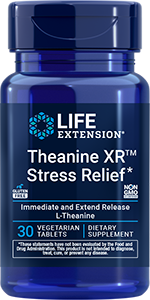
L-theanine is an amino acid found in green tea. L-theanine promotes relaxation and focus without drowsiness. Although green tea does have some caffeine, some people are more sensitive than others to its effects on the body. If your anxiety is chronic, I would not encourage any caffeine until later in your recovery. However, L-theanine is available as a supplement without caffeine.
Alcohol, Anxiety and Depression:
A Self Defeating Decision
Alcohol is another item that should be removed from your diet. It is a well known fact that alcohol is already considered a depressant and a person who is depressed will only experience more depression as a result. Many people use Alcohol to help relieve stress and anxiety. Although they may experience immediate short term relief, the long-term use of alcohol can lead to physical and mental addiction. It is important to recognize that anxiety symptoms are increased immensely once the effects of alcohol are gone.
There are some very good reasons why people with anxiety and depression should not drink alcohol.
If you are depressed and have been using drugs or alcohol to self-medicate, please talk to your doctor about finding another method of treatment. Alcohol and depression is a self-sabotaging decision. How much do you want to recover?
A Natural Approach to Overcoming Addiction
Life Extension Magazine (February 2009) has a great article called
An Innovative Approach to Addiction Therapy By Donna Caruso
If you are using alcohol or any other substance to self-medicate due to stress, anxiety or depression, PLEASE contact your family physician to discuss alternatives that are non-addictive and non-habit forming. YOUR LIFE WILL THANK YOU!
It's Time To Conquer Your Bad Eating Habits!
Bad eating habits contribute to poor physical and mental health. When our bodies don't get the necessary nutrients it needs, we become deficient in proper vitamins and minerals that help keep our mind body functioning at it's best. Certain vitamins and minerals are needed in order to bring balance back to the mind and body. In this step, bad eating habits must be changed so that your mind and body can replenish itself to good health!
Bad eating habits only contribute to stress, anxiety and depression. In many cases, it can even be the cause of it! It is imperative that you bring health back to your body and mind through good eating.
I do understand that breaking the cycle of bad eating habits is hard to break. It really helps to introduce newer and better foods little by little to your diet. Foods such as raw fruits and vegetables are a great place to start. You can slowly introduce these foods into your diet by trying a new food each week. When you find a food you like, it's that much easier to stick with it in the long run.
With depression and anxiety, it's hard to eat right. Oftentimes, the symptoms include either eating too much or too little. Most often, people with depression tend to eat more sugary, fatty foods while people with anxiety have a hard time eating anything at all. Either way, it's important to eat right so that your body can recuperate properly.
One thing that helps greatly while you are getting your bad eating habits under control is through taking a good quality multi-vitamin each day.
It's important to note that all vitamin-mineral supplements are not created equal. With a little research, you can find pharmaceutical grade supplements that will make a great difference in how you feel.
One thing you can do too is add a liquid nutrition supplements to your diet. These supplements are particularly helpful for people who have a hard time eating because of their anxiety.
Step 4 Actions:
1. Work on changing your diet to include foods that will support your body during this time. Also, consider natural supplements if you think you might need some help.
2. Continue incorporating exercise into your daily routine. Spend at least 20 minutes each day on your preferred type of exercise, such as aerobic, strength, or toning exercises. **Consult with your physician prior to doing this, especially if you currently suffer with a physical problem or are currently taking medication for a pre-existing condition.**
3. Spend approx. 10-20 minutes each day on your choice of isometric or progressive muscle relaxation exercises.
4. Write in a journal each day, preferably before bedtime, but this can also be done any time of day and more than once if you choose. Don't pressure yourself, just write whatever comes to mind. Leave some blank writing space at the bottom of the page.
5. Read over your journaling. Do you notice thoughts that are particularly negative or sound hopeless? If so, take this time to rewrite those thoughts in a more positive, optimistic, truthful way at the bottom of your journal page. Do this Positive Thought Replacement Homework at least once a day. If your thoughts are racing around and going through a particularly hard time, it helps to do this homework as many times possible throughout the day. As silly as this feels, it is very important that you DO NOT skip this exercise. Repetition is IMPORTANT and will help you get into the habit of becoming more away of your negative inner dialogue.
6. If you are struggling with obsessive thinking, take the time each day to practice visualization exercises and Positive Thought Replacement Exercises
7. When you get the hang of changing your bad eating habits, you can then move ahead to Step 5 - Cognitive Behavioral Therapy Techniques . Do not move forward until you are ready!
Additional Resources on Diet and Mental Health
Return from Diet and Mental Health to Sound-Mind.Org Homepage
Guided Steps to Recovery
Natural Supplements
Want to recover without using medication? There are many different kinds of supplements that are available and very effective in helping people combat the physical symptoms of anxiety.