What Helps With Panic Attacks
So, what helps with panic attacks? Well, first lets understand that Panic disorder is one of the major types of anxiety disorders. This particular disorder is characterized by recurring panic attack episodes.A random panic attack does not mean you have a panic disorder. When a person suffers from a disorder, they experience frequent panic episodes usually over a prolonged period of time lasting a month or more. Many people have experienced random panic attacks. They may experience one and never have another again in their life, while others experience them more frequently. A person who suffers a "disorder" is someone who has repeated attacks and most of the time, they are debilitating enough to interfere with the routine of daily living.
Understanding Panic Attack Symptoms
Can You Really Stop Panic?
Although certain panic attack symptoms are common to most sufferers, they can vary from person to person. No matter what your symptoms are, there is effective treatment and methods that have been proven to work. You can find panic attack help! By now, you probably have a good idea what a panic attack is and what it feels like. But for those who do not know, panic attacks are episodes of intense fear and/or apprehension. People with panic have feelings of fear that come on suddenly and repeatedly without warning. It is not uncommon for panic to trigger a fight or flight response. Many times, feelings of panic produce an intense urge to run from the situation and to find a safe person or place in hopes that the panic will stop.
Common symptoms of a panic attack include (but are not limited to):
The Panic Response - Fight or Flight
Fight or flight is a normal response to a threatening situation. Although this response was most needed as a survival mechanism centuries ago, we rarely need this response today. However, this response misfires for different reasons, including what we consider a threat in our own minds. With anxiety it is not uncommon for this response to be triggered by our own imaginations. It is important to realize that fear is also known as:
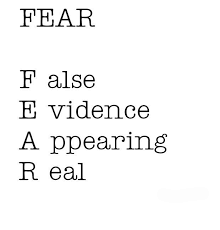
By recognizing this automatic adrenaline response, we are more able to control it and put it in proper perspective.
There are 3 different levels to the fight or flight response
By learning what they are you will be better equipped to recognize them as soon as possible so that you can take action in order to avoid the later stages.
1. Warning Level - This level is what activates you and prepares you for a threatening situation. It also activates the sympathetic nervous system. Adrenaline is produced in order to give you energy to stay and fight or to turn and run from your situation. The fats, sugars and cholesterol levels rise in our bodies. The heart rates accelerates and blood pressure rises. Breathing patterns change by becoming rapid and more shallow which can bring on many uncomfortable body symptoms such as dizziness and/or breathlessness. Perspiration increases causing feelings of hot/cold flashes and our other senses become more sensitive.
2. Adjustment Level - In this level the body attempts to adjust to the situation. This is the perfect time to use the Effective Stress Management Strategies . However, if stress is allowed to continue, energy is drained and the body becomes begins to lose the ability to bounce back to normal and exhaustion symptoms begin to occur. The body loses important vitamins, minerals and amino acids and brain chemicals become off balanced. Relaxation methods are very important as they help give the body and mind a temporary break. By taking this break you will help minimize the chances of entering the exhaustion level. When you do not listen to your bodys built in warning system (warning level) by taking measures to de-stress, you set yourself up for the beginning phases of various anxiety and depressive disorders. These disorders develop just as bad habits develop, most of the time, when we are not even paying attention.
3. Exhaustion Level - This level of fight or flight has many different symptoms such as physical illness, poor memory , poor concentration, anger issues, sleeping issues, physical-mental fatigue, changes in appetite, feelings of distrust, anxiety, depression and lowered self-esteem, etc. Another name for the exhaustion level is BURN-OUT. Although it is not too late to use the Effective Stress Management Strategies, it will take longer and more patience to get back to a normal, balanced level with your mind and body. Some people may even need the aid of a therapist and medications to bring them back to a normal, healthy state. In this level, you must know that it is never too late to begin taking good care of yourself. It is, however, more important for you to be more compassionate with yourself and your physical and emotional needs.
When looking at these levels, you can see that stress can lead to serious problems if allowed to continue for long lengths of time. Although we cannot eliminate stress entirely. We can learn to manage it through stress management and even learn to use stress to our benefit.
Situational Panic Attacks
Situational panic attacks revolve themselves around specific situations that a sufferer finds extremely anxiety producing. Also known as, panic triggers, these situations are more likely to induce a panic attack response when exposed to them. So what triggers your panic sensations? Some common panic triggers are listed below. Maybe you can indentify with one of them, or maybe you have one that isn't listed here.
For many people, standing in line poses a real problem. The idea of standing for long periods of time, or the feeling of being trapped between people is anxiety producing. In situations, such as grocery shopping, there can be overwhelming panic, especially when unloading groceries onto the belt. For many, this activity causes them to feel trapped into a situation they cannot get out of. This leaves the sufferer feeling out of control and vulnerable to panic. It helps to distract yourself by giving yourself an activity while you are waiting, such as grabbing a magazine from the shelf, looking through your wallet or purse or making conversation with another person in line. Although distraction methods do help, they don't completely solve the problem. Be sure to practice How to Talk To Yourself when challenging your racing throughts.
Many feel trapped when driving in traffic. The inability to control the situation causes them exteme anxiety, body tension, and racing thoughts that eventually contribute to a panic experience. When panic is experienced during a driving experience, it is not uncommon for them to visualize every possible thing that could go wrong under that condition. This of course, only feeds the anxiety and provokes more panic. There is very little that can be done about traffic. However, there are things you can do to help yourself get through this stressful situation. One thing that helps alot is isometric exercises, although it doesn't completely solve the problem, it enables you to take control over your muscles.
Whether you are waiting for a doctor's appointment or an appointment with a lawyer, it really doesn't matter. Nobody likes to wait, but for someone who is suffering anxiety, this waiting is a chance to dwell on the negative! Believe it or not, this is a great time for isometric exercises as well as positive thinking. If you are having a particularly hard time staying focused, it's a good idea to bring along something to read, perhaps a good self-help book or you can even use this time to journal what you are feeling. Do not worry about those around you, they have their own problems to deal with. Chances are, they might even be worse than yours.
This is a very common trigger for panic sensations. Not everyone loves the dentist. In fact, many of us have bad memories from past experiences. Even the smell of a dentist's office is enough to provoke a panic experience. It's important to note that there are thousands, if not millions, of people who experience dental anxiety. It helps to let your dentist know how you feel. This releases the pressure off of you to be the "perfect" patient. Believe it or not, they understand more than you realize and very often are able to help you cope through the experience better. Remember, you take control of your situation by taking the pressure off yourself to be perfect. For detailed information on dental anxiety, please visit Dental Fear Central.
Riding in elevators is particularly difficult for someone with a panic disorder. Feeling trapped and out of control in the situation is almost always the trigger for a panic experience. Many people feel claustrophobic, others have social anxiety and fear conversation with strangers, and others simply fear something bad happening and being trapped with no way out. No matter how you look at it, a panic experience in an elevator is less than desireable. In fact, it's outright terrifying. Many people would rather take the stairs than ride in an elevator. Learning to overcome your fear of panic is a big process of elimination. You can learn to overcome this fear by using cognitive-behavoral methods and gradual exposure. It helps to have a friend with you the first few times, then it's important to try it alone, even if it's only one floor at a time.
Spontaneous Panic Attacks
Many people experience what is called spontaneous panic attacks. These panic experiences seem to come of out nowhere, leaving the sufferer feeling as if they were caught off guard. Since these attacks seem to happen without warning, people who suffer from them begin to walk around in fear of when the next one might come. They find it hard to do anything without that fear being present in the subconsious part of the mind. For this reason alone, prompt education is needed in the early stages so that avoidance behaviors do not develop, such as agoraphobia.
Spontaneous panic is seen as "unprovoked" panic since the sufferer cannot identify a specific reason for their experience. These attacks can also occur in the middle of the night and disrupt your sleep cycle. They are also known as, nocturnal panic attacks. But, are they really unprovoked? Although panic attacks can happen spontaneously, they are almost always provoked, even if with a simple fleeting thought. Though you may not see a real reason for your panic, your subconsious mind holds the answer. Unlike situational panic attacks, where panic revolves around a specific activity or situation, spontaneous panic attacks are random and do not seem to attach themselves to anything specific. However, it is important to note that spontaneous panic attacks can develop into situational panic, specific phobias, and agoraphobia if not completely understood and early intervention is not received. Spontaneous panic attacks are usually provoked by internal body sensations or an internal thought pattern that is unhealthy.
A Panic Attack is Just a Panic Attack
The most important thing you need to recognize about panic is that panic repeats the same cycle everytime. It may fluctuate with intensity but in all reality, the panic response is predictable, following the same pattern with every experience.Whether your attacks are situational or spontaneous, the fact remains, a panic attack is a panic attack! No matter what causes your panic attacks, it is important to know that all fear is the same. Although the intensity can range from mild to extreme, fear is fear and nothing more. Learning to overcome your fear of panic is the key to overcoming a panic attack in any situation. When you fully understand panic, how it works, it's routine physical expression, and how it's caused, you will be more than halfway to recovery.
Avoiding situations that provoke panic are never recommended! In fact, avoiding the panic trigger will onlygive strength to the fears you feel, making it harder and harder to return to these situations in the future. Agoraphobia can develop as a result of avoidance. So I encourage you to face your fears and challenge your panic sensations. Remember, as Franklin D. Roosevelt once said, "The only thing we have to fear is fear itself". Why? Because fear keeps us from moving forward and keeps us paralyzed from changing and growing.
What Helps With Panic Attacks?
It is your fear of panic keeps your panic alive. Educate yourself and realize that a panic attack cannot hurt you. Education is a major factor to recovery. You cannot overcome panic attacks as long as you are afraid of them. You can stop panic attacks by facing them for what they are and realize that's all they are.
Try to pinpoint what is really bothering you. Panic is almost always a result of some unresolved inner conflict due to stress and anxiety. If you are having a hard time figuring this one out, it helps to journal or use talk therapy to sort things out.
Exercise is one of the best ways to manage the stress in your life. It helps you burn up excess adenaline as well as the negative stress hormones in your body. For more information on things you can do to relieve and manage your stress and anxiety, visit Effective Stress Management Strategies
Eating the right foods will help replenish your body with important vitamins and minerals. Stress depletes your body of these important vitamins and minerals, therefore, all the more reason to eat right. If your appetite is not the best, you can use vitamin supplements to help you. For more information on what you should be eating, visit Diet and Mental Health.
If you are having a particularily hard time coping with the body symptoms of anxiety and panic, there are natural supplements that can help diminish the amount of physical distress you feel. Although they cannot remove all your symptoms, they can help aleviate a good amount. Since overcoming panic means facing those feelings, it's important not to remove all those physical feelings anyways. Many people find natural supplements for panic and anxiety as a great alternative to psychiatric medications.
Fear is Only Fear! Here are the Facts!
With so many questions and concerns, I felt it was time to share some panic attack facts! You may be familiar with many of the questions below and may have even questioned them yourself. Let the truth be told for those who want to know!
Am I going crazy or losing my mind?
No! The fact is, you cannot go crazy! Anxiety makes you extremely focused and your senses are intensified during anxious episodes. It is a fact that people who are truly losing their minds do not even know it is happening.
Am I having a heart attack or stroke?
No! The symptoms of panic mimic sensations that can be confused with a heart attack. Symptoms like heart palpitations, fluttering, chest tightness, dizziness, shortness of breath, numbness in the face, confusion... are all things that can happen during a panic attack. Of course, you should never NOT go to the doctors if you are extremely concerned about how you are feeling. However, if you get a good report, trust your doctors!
How long does a panic attack last?
Well, this depends on the person. More often than not, panic attacks usually only last a few minutes. They follow a routine pattern that rises and falls with the rush of adrenaline that pumps through your body. It is comforting to know that your body can only produce so much adrenaline per day, so it helps to burn up the excess through exercise!
Do you need medication in order to recover from panic attacks?
Medication is always a choice. You can recover with or without medication. So to answer that truthfully, the answer would be NO!
Will I ever get better or will I have panic for the rest of my life?
Anyone can recover from panic, even YOU! You do not have to suffer for the rest of your life. Although it may seem like you will never get better, be patient with yourself and never give up. You will find recovery as long as you persist. Just as you have the power to recover, you also have the power to keep yourself anxious and struggling with panic. The power to recovery is inside yourself!
How long does it take to recover from panic attacks?
The truth is that everyone is different. Some recover quickly while others take months and even years. I personally believe it depends on how proactive a person is in their own recovery and if they do the work that is required to get better. One thing you cannot do is rush recovery. Everyone needs to learn at their own pace and they need to be acceptant of that.
Are panic attacks dangerous?
No, panic attacks are not dangerous. However, suffering with anxiety and panic for long periods of time can greatly affect your immune system and can cause sickness. Stress makes people sick over long term. So it is very important to do whatever is necessary to take good care of yourself and work towards full recovery.
Can you stop a panic attack?
Yes! Absolutely! You can stop a panic attack in its tracks! It takes some trial and error in learning how, but once you have mastered that skill, you will be able to stop a panic attack even before it begins. This takes lots of practice! The truth is that without the fear of panic, panic cannot even exist! Imagine that!
Why do they seem to happen out of the blue and without warning?
Most of the time, we are so busy that we do not pay attention to what is going on inside of us. We ignore the signs of stress and we push ourselves beyond what we should on a daily basis. Stress overload causes panic! The answer here is to become more in-tune with your thoughts, feelings, and realize that sometimes we need to slow down and be good to our bodies. We all need time to recuperate everyday. Do not ignore the signs of stress in your life.
Is my panic worse than others and beyond help?
No. It is not uncommon to believe that you are somehow different and that your panic is worse than everyone elses. We all think that way. In my experience, panic is stubborn and persistent. It can sometimes take a long time convincing yourself of these truths. Do not give up! Tell yourself the truth always, no matter how you are feeling.
How To Stop Panic Attacks!
Yes! It's true! You have the power to end your panic! The answer may sound easy for some but I assure you that no matter how easy it may sound, it will take a lot of effort on your part to make recovery from panic a reality. No matter how long you have been suffering with panic attack symptoms, you can stop panic attacks and find panic attack help. Although panic attacks are incredibly scary, they are not dangerous. With a lot of work and determination you can stop panic attacks.
It is only through facing your panic sensations and working through them that you will stop panic attacks. When I first heard this, I thought for sure that there had to be an easier way, a quicker way, a less threatening way. Boy was I wrong! I read many books and they all said the same thing. The only way through a panic disorder was to work through it. I had to put myself in situations that provoked those panic sensations. It definitely was not easy and I definitely did not do it without the necessary skills! Anyone can face panic and survive and this is NOT what I am talking about. Mastering skills such as breathing exercises, positive, truthful thinking, and using the Effective Stress Management Strategies will help you overcome your panic. These skill are very much like weapons to win an internal war. Facing panic might be very difficult for you especially if you suffer from agoraphobia, but I assure you that once you begin facing those feelings and begin using your skills while practicing you can find real recovery and healing! Repetition, persistence and a good attitude are crucial to recovery.
Although panic attacks feel as if they are caused by an outside source they actually come from inside your body and are created by you. I know it's hard to believe that you are the one that is actually doing this to yourself but it's absolutely true! It was also very hard for me to believe that there wasn't something else causing my panic. I spent many hours researching my symptoms, went to countless doctors only to find out that I tested normal in all areas. Convincing myself was one of the hardest things to do! Convincing myself that I was physically fine and that I had to believe what others who have previously recovered were telling me was true was incredibly difficult. It was a matter of putting my trust in something I could not see for myself and a matter of trusting someone I didn't know to show me the way to recovery - someone who had been there and made it to the other side! There is much to be said about having the encouragement and support of someone who has been there personally and understands. If you have been to the doctors and have ruled out any physical reasons for your anxiety and have been diagnosed with having panic attacks or anxiety then you must know you are not alone. I have been there myself and know exactly how it feels. It's scary not to understand what's causing an attack , it leaves you feeling like a victim of some event you cannot control. Who wouldn't feel afraid after an experience like that?
Panic happens when people who are overcome with anxiety become fearful of their anxiety symptoms! When a person feels the negative effects of stress and anxiety they can outright scary! When they are experienced there is a tendency to add a second fear, which is the big "what if". When the mind doesn't accept the normal symptoms of stress and anxiety as normal, they search for reasons thinking it must be something else, something much more serious. This results in people searching endlessly for answers that do not exist! Panic is the end result of "fearing panic"!
To stop panic attacks you must stop being afraid of panic! How do you do this? You do it by challenging your symptoms and by realizing they follow a pattern of their own. Panic always reaches its highest point and never gets any worse. People with panic are always waiting for something worse to happen but it never does. When you notice the common routine of a panic attack it becomes predicable and when something is predictable, you can learn not to fear it. Once you lose the fear of panic you will stop panic attacks. Fearing your symptoms only keeps panic alive. If you really want to stop panic attacks, you have to force yourself to do the very things that provoke your panic sensations. You have to realize that as quick as panic comes, it goes!
For Example: Panic always begins with a routine awareness that something is wrong. You may get a feeling of dread or a feeling that something terrible is about to happen, then it is followed by anxiety and panic symptoms (perhaps they are more intense than the last time but the same nonetheless). The heart begins to race, you may tremble, sweat, or have obsessive scary thoughts, and you may provoke the fight or flight response which makes you feel like running or finding a safe place. Whether you run and leave your situation or stay still, the rapid heartbeat comes to a peak and then begins to slow down. All that is left is you feeling nervously exhausted. The routine of a panic attack is much like contractions in labor when having a baby. They come, they peak, and they taper off. It's the same old song and dance every time. Sometimes, the panic cycle is longer than others or perhaps more intense but they all inevitably come to an end.
The answer to this horrible cycle is to face the panic, accept your feelings and do not run from them, allow your panic to rise and fall. The more you do this while telling yourself the truth, the less and less afraid of panic you will be. As horrible as it feels, it cannot hurt you! You must deliberately put yourself in situations where you can experience panic sensations in order to practice the cognitive-behavioral methods. However, it is very important that you do not provoke panic sensations until you have a good understanding of positive thought replacement. Thought replacement (the cognitive work) MUST work together with actually challenging (the behavioral work) those panic sensations. In order to practice overcoming panic, it takes much repetition. As long as you persevere, you cannot lose!
The time it takes to overcome panic, can be quick for some and for others may take much longer. It really depends on the person and how hard they work towards recovery. Repetition is very important! Read all you can, research all you can, by doing so you are more likely to be convinced that what I am telling you is true. If I can stop panic attacks then you can stop panic attacks, the fact is, ANYONE can stop panic attacks when they have the right information and skills to use to overcome them.
Think Of It This Way!
A Great Analogy!
Many people have a hard time understanding just how to deal with a panic attack when it's happening. There is a great analogy that I like to use to help people understand panic enough so they can get out and begin to challenge themselves. Since overcoming panic means learning not to fear it, it becomes a little easier when you fully understand what you should do if you should panic in any situation. Hopefully, this analogy will help you have a clearer understanding.
Riptides and Panic Attacks
Believe it or not, riptides and panic attacks have a lot in common. As different as they both are, there are some major similarities that will help you understand how to deal with a panic attack more effectively.
What are Riptides? A rip tide is a strong, turbulent current in an ocean or river that crosses over other currents. These currents are very strong and will pull whatever is in it along for the ride. No one has ever been able to fight their way against a rip tide. However, there are right ways to deal with a rip tide that will save your life.
If you were swimming in the ocean and experienced a rip tide, it would begin to pull you out to sea. Many people automatically try to swim against the tide which is a huge mistake. The harder they try to fight a rip tide, the further and further the rip tide would take them. Many would panic and fight harder, causing exhaustion and then possibly drowning as a result.
These channels of water are usually only between 25-100 yards wide. Should you ever get caught in a riptide, the best method of dealing with it would be to just float with it. When your head is clear, it is best to swim parallel to the shoreline or at best, diagonal. Swim lightly or better yet, on your back. When you notice you are no longer being pulled, you can safely swim back to shore.
It is important to note that riptides are stronger and more likely to happen when the surf is rough or rough winds are present.
Okay so what does this have to do with panic?
Just like riptides, no one has been able to fight against a panic attack and win.The only way to deal with a panic attack is to deal with it like you would a riptide, to float and then begin to tell yourself the truth. This is the only way to make it back to "shore". By fighting against an attack, you would only be exhausting yourself, making yourself more anxious and distressed. But unlike being caught in a riptide, you would not drown while standing in line or going to the dentist. (isnt that great news!)
Just as there are limits to the size of a riptide, there are limits to your panic attack. They can only be so big or so strong and as long as you "swim" the right way, by telling yourself the truth and knowing How To Talk To Yourself, you will make it through.
And of course, just as riptides are more likely to happen during rough surf or during rough winds and weather, anxiety and panic are more common to occur during the rough "storms" in your life. These are times of prolonged stress caused by things such as sickness, death of a loved one, divorce, and other stressful life events.
During times if great stress and anxiety, it's important to take good care of yourself. Effective Stress Management Strateiges are extremely helpful during these times. Remember, being healthy is your responsibility.
So next time you are facing panic, think of it as a riptide. Remember, that there are things you can do to make things easier on yourself. Each time you do them, you are teaching yourself not to fear your feelings and you are building confidence in yourself for the next time and more importantly, remind yourself that as distressing as it feels, you won't drown! Just FLOAT!
Sound-Mind.Org Homepage
Guided Steps to Recovery
Natural Supplements
Want to recover without using medication? There are many different kinds of supplements that are available and very effective in helping people combat the physical symptoms of anxiety.