How to Control My Emotions
"HELP! Someone, please tell me how to control my emotions!" - Life's stressors are sure to ignite all kinds of feelings and emotions. Sometimes these emotions can seem out of control and even scary. Noone likes feeling "out of control" or want to deal with the feelings that come with negative emotions. Human emotions can be easily broken down into two main categories, positive and negative. A positive list of human emotions may include: Joy, Happiness, Contentment, Euphoria, Love, Amusement, Excitement, Adoration, Hopefulness, Cheerfulness, while a negative list of human emotions may include things like melancholy, Sadness, Hopelessness, Hate, Despair, Insecurity, Humiliation, Rejection, Unhappiness, Aggrivation, Depression, Sadness...
Of course, there are many more emotions than the ones listed here. No matter what list of human emotions we are experiencing at this current moment or in the future to come, they are sure to have a profound effect on the way we feel and experience life, as well as the circumstances and situations that surround us. While, positive emotions are always a welcome pleasure, it is important to stay on top of our negative emotions because they have the potential to become destructive to ourselves.
Your Emotional Wellness
Why It Matters
Our emotional wellness greatly effects our quality of life and has an enormous effect on our quality of life. Our emotions are based on the things we tell ourselves on a daily basis and how we perceive life and the events that happen. Much of what we feel has everything to do with the thoughts that come in and out of our minds. Emotions are almost always positive or negative depending on our experience. Our emotional wellness is important to both mind and body and it's worth the effort it takes to keep it healthy.
You will be amazed to find out that you have full control over your own emotions. The truth is your emotional wellness is your responsiblity. It is not uncommon for people to believe that if they are FEELING something then it must be true, but that is far from the truth. We all like to think that we cannot help it or that we can't change those things because that is just how we are. Problem with this is that people end up making decisions in life based on how they FEEL instead of FACTS . When those feelings are negative and based on stress, anxiety or depression, people end up making decisions that are based on misbeliefs. Misbeliefs need to be changed! We all need to learn that we all have a choice when it comes to how we will react to life situations.
So often we react with the first emotion that comes but it's important to stop and ask ourselves some very important questions before reacting in a way that will produce more unwanted emotions, such as more stress, anxiety and depression. It is our emotional reactions to stress that determines just how much stress we will feel. A stressful reaction just creates more stress. Therefore. it's important to not react right away, but instead take a few minutes to assess the situation.
Some Important Questions To Ask Ourselves
How am I feeling?
Why am I feeling this way?
Is what I am feeling based on absolute truth?
Encourage Yourself! This Too Shall Pass
Practice Controlling Your Negative Emotions
Got A Bad Temper?
Stop Overreacting to Stress!
It's time to control your bad temper! Many people have a huge habit of overreacting to life's stressors. As we all know, a bad temper can lead to temper tantrums. It is one thing to see a child throwing a tantrum in the middle of a store, but another to see an adult doing it. Our reactions to what happens to us or around us greatly effects our ability to cope with life's stressors. Believe it or not, when a person overreacts to stress with a nasty temper, they only increase the amount of stress they feel. Not only do they increase how much stress they feel emotionally, but they also physically increase their negative stress hormones in the body.
We all have a choice on how we will react to stress. I know for some this may be hard to believe, especially since these feelings come so easily but I assure that it is absolutely true. If you automatically overreact to stress, then you are dealing with a dangerous, self-defeating habit. So many people say that these emotional outbursts give them a release and makes them feel better. But Scientifically, it is proven to do the opposite. Although it may temporarily give them a sense of relief, they are unknowingly reinforcing an emotional behavior that increases stress and can even lead to anxiety.
The Internal Over-Reactor:
Some people overreact internally. Their bad tempers boil inside as they repeat to themselves all the things that upset them. They dwell on these things to the fullest extent and to the point where it effects their quality of life and their own happiness.
The External Over-Reactor:
Some people overreact externally. They have a tendency to be verbally abusive and may even react violently by slamming doors, throwing things, stomping feet, yelling and sometimes even hitting something or someone.
Both types of over-reactors function in ways that are unhealthy and unproductive. They are both increasing negative stress hormones in the body which ultimately leads to illness. So how do you stop this unhealthy, self-destructive habit? You use your self-will and your self-talk! You need to get into the habit of taking notice of your bad tempers. Once you realize you are reacting negatively, it is time to ask yourself some very important questions.
Ask Yourself These Questions
1. On a scale 1-10, how big is your problem? (10 being the worst)
2. How important is this problem to your life?
3. Does it deserve the reaction you are giving it?
4. Will it matter tomorrow? a month from now? or maybe next year?
5. Can this problem be solved?
6. If no solution can be found, are you willing to accept what you cannot change and move on?
It is important to create new habits when reacting to stress. You can do this by making the choice to use your negative energy in a positive ways. Physical exercise helps greatly by burning up excess adrenaline. It also will give your mind time to think about the situation that is bothering you so that you are more able to react appropriately. If there is a reason why you cannot exercise, go back to Effective Stress Management Strategies and use some of the other suggestions there. Remember, isometric exercises also help with burning up adrenaline. So even if you are at work sitting at your desk, there are better options for you when it comes to dealing with stress.
Controlling Anger
Anger is an emotion that can easily become all-consuming and if not dealt with properly it can cause physical illness or even result in emotional or physical harm of you or another. Controlling anger is a difficult task especially if you are in the habit of giving it permission to react badly. Anger, if not dealt with properly, can build up to the point of imploding or exploding. While both are harmful, one is more harmful to those around you. People who see anger as wrong or sinful tend to suppress their anger. Suppression is not an effective method for controlling anger. People who suppress their anger as a means of control, tend to hold it inside thinking that it isn't okay to express their feelings. By holding anger inward, although this may seem noble, creates a feeling of intense anxiety. This will effect your emotional wellness in a negative way. This anxiety could even be based on the misbeliefs that they would somehow lose control if they were to express their anger or lose respect of the one they love by doing so. Allowing anger to implode chronically over long term can also be a big contributor of physical illness and disease.
People who explode with their anger do things outwardly. They have a tendency to react outwardly with violent behavior by breaking things, saying hurtful things, yelling, hurting others and even themselves. This is an ineffective and destructive method for controlling anger. Explosive anger is almost always harmful in one way or another. What ends up happening is that the one exploding usually ends up feeling bad about their behavior and as a result becomes depressed and disappointed in themselves. Their internal self-talk is usually also very destructive and self-defeating, causing only more anger at themselves.
There are right ways and a wrong ways when controlling anger. Both ways, imploding and exploding, are not healthy ways in dealing with anger. One thing you must understand is that anger is not wrong! Anger is a normal human emotion and simply what we decide to do with it that matters! When anger is used properly, in a non-violent way, it can earn respect and even build your self-confidence as you learn to communicate more effectively. There are healthy ways for controlling and expressing anger that are more productive and these ways can produce greater respect for yourself and others.
When controlling anger, ask yourself the following:
Why am I angry?
Give a clear answer to this question. There are legitimate reasons for anger. Make sure they exist before allowing yourself to become angry. Many times people become angry over something they assume. Their imagination gets the best of them and they imagine all sort of things that could go wrong. They become angry over something that has not happened yet. This is not a legitimate reason for being angry. Make sure that if you are angry, it is because your anger is based on something real that actually happened and not based on your imagination.
Is my behavior justified?
The truth is that there is no excuse for behaving badly. When people are angry, they feel they are justified in that bad behavior. People usually become critical of others when they are angry. They have a tendency to become violent in their actions or words. It is not uncommon for people who are angry to belittle the one they are angry at. Some people use their anger as a reason for revenge. The truth is, there is no reason for bad behavior. You can be angry and express this anger in a way that produces respect. You will never get respect when you are yelling, name calling, hitting or breaking things. Controlling your anger in a productive way will produce better results and you will gain more respect from others around you as a result.
What actions can I take to resolve this situation?
Using healthy methods for confrontation is important to resolve situations by first letting the other person know you are angry. You can do this without all the extra drama. Believe it or not, you can relieve your anger by sharing how you feel in a respectful way. Everyone owes it to themselves to be honest about their feelings. You can always do this respectfully and without bad behavior.
There are times when we cannot resolve a matter. In this case, it is a matter of allowing yourself to decompress by looking at things realistically. Give yourself permission to let go and forgive. Turn your anger into compassion by feeling sorry for others. God only knows what struggles other people are facing. We can never understand why people do some of the things they do and that is why we cannot judge one another. Vent to a friend and then put things into proper perspective. Many times you can resolve a situation by confronting the one that has angered you. Believe it or not, you can be angry and not be hurtful to yourself or another. Instead, confront the situation knowing you are doing what is healthy for you. As uncomfortable as things may feel, by confronting a situation, you are building your self-confidence as well as decompressing your anger. Even if the other person does not want to recognize what you are saying, by letting them know how you feel is enough to release your anger. For many, doing this produces a lot of anxiety. It is important when confronting another, to use your skills. Using your positive self-talk, breathing skills, and by exercising beforehand really helps.
Breaking the Habit of Reacting Badly
People with explosive tempers have a habit of reacting badly to others when angry. Most of the times their behavior is so immediate and they don't allow themselves much time to think about their behavior. It seems automatic as though they don't have any control over their emotions. Well, the truth of the matter is that we all have a choice as to how we will react. People who react badly simply give themselves permission to do so. Creating a new habit when it comes to controlling anger, takes time and practice. It takes courage to break the old habit and be willing to do things differently.
The Anger and Anxiety Connection
It is not uncommon for people suffering with anxiety to also have issues with anger. Anger and anxiety usually go hand in hand. It's not usually easily recognized because we usually see them as two separate entities but they have more in common than you will ever know. When anger is not based on something real that has happened, it is usually based on an anxious mind. Usually fear of an impending doom or just the mistrust of others. It is not uncommon for pessimistic people to become angry about their fears and worries.
Additional Resources on Controlling Anger
Dealing With Grief
Dealing with grief is one of the hardest things people may face in this lifetime. Whether grief is due to the loss of a marriage, loss of a loved one, a good friendship, or something else that is near and dear to your heart, the main cause for grief is loss. If not dealt with properly this emotion can turn into despair and deep depression can result. There are things you can do to help yourself along in the grief process.
Grief is a difficult emotion to overcome. As much as you feel you may never overcome it, you will feel better with time. It is true, "this too shall pass". As much as you feel these words are not true for you, please be encouraged! As I write this, you must know that there is hope and healing for all those that are grieving.
When dealing with grief there are common symptoms that effect the mind and body. Many of them are similar to the symptoms of stress, anxiety and depression. Grief and loss can be the main trigger for your anxiety, panic, phobias and even deep depression.
Common Symptoms of Grief
Normal Stages of Grief
1. Denial - keeps you from accepting loss as a reality. The mind has a hard time accepting the idea of losing something valuable to you. Many people run from reality and they do it through denial.
2. Anger - is what happens when the reality of loss surfaces. It is important to deal with your anger properly. Anger can not only hurt you, but others around you. There are effective ways for controlling anger that are effective and healing.
3. Bargaining - It is normal to go through a period of questioning. Ruminating about the past, Using "If-Only" or "I should have...", assuming the worst, perfectionism (as a result of insecurity), judgement towards self or others, blame, and feelings of guilt are all part of this step. How you talk to yourself matters a lot during this time.
4. Depression - a normal part of grieving and bereavement. The time it takes to overcome this emotion depends on the individual. However, if you are severely depressed to the point of not being able to function in your daily life, it is extremely important to talk to your doctor. Depression is not a sign of weakness, so do not be ashamed about how you are feeling.
5. Acceptance - A this time in the grief journey you'll find yourself accepting what is, learning to be in the present moment, honest communication with yourself and others and you'll begin validating yourself and your feelings.
Tips for Coping with Grief
Additional Resources for Dealing with Grief
Perfectionism
Self-Defeating and Unhealthy
People who struggle with perfectionism have a difficult time with many things in life. It is the very reason for the anxiety and depression that many people feel. It is important to note that it has also been linked to anxiety disorders (including Obsessive Compulsive Disorder), depressive disorders, eating disorders, alcoholism and many other destructive behaviors and problems.
Perfectionists Work Very Hard
Perfectionists are extremely hard workers. In fact, they are known for their great abilities. They are usually great achievers and they usually accomplish more than the average person. Give them a job to do, and they will go above and beyond what the average person would do. They will impress you with their generosity and their successes in life as they push for perfection in everything they do, but, don't be mistaken, a perfectionist is more than a person who works hard to do a good job, they are extremely hard on themselves in everything they do. The average person works hard and if they see something that isn't exactly perfect, they are okay with leaving it alone and accepting it as is. The perfectionist has been known to start over from the beginning until they get it exactly "perfect". They are also known for procrastinating, leaving things unfinished or prolonging the start of something until they are sure they can do it exactly as envisioned. Fear of failure is a common trait and many times this can paralyze them so they have a hard time getting started or moving foward.
Internal Dialogue of a Perfectist
Their internal dialogue is one that pushes them to excel. They have high expectations of themselves and others, and much of the time their expectations are unrealistic. They secretly believe they must do things perfectly for approval. They are usually very disappointed and upset with themselves when things don't meet their expectations.
Fear of Failure
Failure is also not an option. The fear of failure is what keeps them motivated and working hard. If at any time, they believe that failure is a possibility, they have a tendency to avoid those things. Many times these people don't finish personal jobs they start because deep down they are afraid that the outcome will be as they wanted.
Perfectionism is a Learned Behavior
Perfectionists usually come from homes where they had overly critical parents or caregivers. Being around overly demanding and overly critical adults as a child, only creates adults that are overly critical and perfectionistic with themselves and other others. This is mostly a learned behavior that becomes a bad habit later on in life and is usually triggered by feelings of insecurity and their need for approval. If caught early in the childhood years, perfectionism can be overcome through proper self-talk and cognitive-behavior skills so it does not follow into adult life.
Perfectionists are Trained to See Imperfections
Perfectionists are capable of seeing the smallest details of imperfection when the average person would not notice them. They look at things as though they are looking at them under a magnifying glass. They are easily irritated by the these imperfections, especially when it comes to work they did themselves. The average person isn't emotionally disturbed by those kind of details. There is usually a great amount of stress, anxiety, and frustration when things don't go as planned.
How To Overcome Perfectionism?
Overcoming this bad habit takes time and patience. It is through a consistent awareness of thought, and implimentation of actions that go against the habitual order of action. It is common for a person who is trying to overcome perfectionism to experience more anxiety at first. Being a perfectionist is a bad habit. It takes a lot of hard work and determination to break it.
Challenge Your Thoughts
Write down your thoughts, especially the most self-critical ones. Use the questions listed under the positive thinking page to challenge your perfectionistic ideas. Without challenging your thoughts, you are accepting them as is and will not succeed. This sounds easy, but it's not. It takes real hard work to break this habit.
Give Yourself Permission
Practice giving yourself permission to be less than perfect. By giving yourself permission you are releasing the pressure to be perfect. Your performance anxiety is then dwindled and limited. Give yourself permission to fail. Many people have tried different things and have failed. Don't allow your fear of failure stop you from trying something new. Remember that no one is perfect!
Keep Realistic Expectations
Turn your unreal expectations of yourself and others into realistic ones. It is not realistic to expect perfection from anyone, not even yourself. by holding onto unrealistic expectations, you are only setting yourself up for disappointment and frustration. By lowing your expectations to a more realistic level, you will feel much better and less stress when something doesn't happen exactly the way you wanted it to.
Affirmations To Combat Perfectionism
It is important to note that although your affirmations can be anything at all, it is best to use affirmations based on your personal self-talk. If you don't know what the thoughts are that go on in your mind that are critical and self-defeating then take time to journal! Remember journaling is an effective way to get in touch with what is going on in our minds. Journaling your thoughts helps to identify unrealistic thought. If you need more insight into how best to talk to yourself, visit How To Talk To Yourself for tips and techniques and apply it to your situation with perfectionism.
Additional Resources on Perfectionism
Dealing With Guilt Effectively
Dealing with guilt can be difficult especially if you have a habit of being a people pleaser and this emotion also has a serious connection to anxiety and depression. It plays a big role in the anxiety and depression that many people feel. For many, it may even be the cause of it. Guilt is the moral emotional response of painful feelings that typically follow wrongful conduct such as going against our own moral code or harm we may have caused someone else. Although feelings of guilt may be warranted, when not dealt with properly, it can lead to shame and a variety of symptoms. These symptoms can rage from insomnia, ruminations, muscle tension, feelings of regret, stomach/digestive issues, crying, negative self-talk, isolation, brain-fog, social withdrawal and can even eventually lead to feelings of dispair and depression. It is important to deal with guilt swiftly and effectively. Although guilt serves a purpose within our moral compass, it is important to note that there are also times when this emotion is completely unwarranted. Experiencing guilt when we've hurt someone or have done something wrong is a good sign, it means we have a conscience. However, there are times that we may experience unjustified guilt. Unjustified guilt is when we punish ourselves even though circumstances are out of our control, or we did not deliberately hurt anyone or mean to cause a situation.
What Causes Guilt and Shame?
Many people think that guilt is brought on by other people, but guilt, specifically, comes from within yourself and is a result of your own internal self-dialogue about yourself and how you interpret the situation that is causing you to feel guilty. Although other people can contribute to feelings of guilt - they can never be the cause of it. Only you have the power to accept or deny feelings of guilt, so if someone is "making you feel guilty" it is only because you are allowing them to. There are times when guilt is justified just as there are times when guilt is not justified.
Shame is a painful feeling of humiliation or distress caused by the awareness of your own wrongful behavior. It is the result of not dealing with guilt properly. Feelings of shame usually accompany feelings of inadequency and self-doubt - it is an emotion that comes from the belief that something is fundamentally wrong with one's own self, thinking they are "defective" or "unacceptable" in some way. Shame often triggers avoidance behaviors, defensiveness, anger, fear and often leads to depression, anxiety, low self-esteem, including eating disorder and other behavioral challenges.
Justified Guilt vs. Unjustified Guilt
There are times when our feelings of guilt are justified. We are not perfect. We all make mistakes and sometimes step outside of our moral code. So, if you have done something wrong to another, make amends as best as you can and choose to forgive yourself even if the other person cannot forgive you. Remember, forgiveness is an action that helps us to accept grace and release those feelings of guilt. You have complete freedom to release yourself from any further guilt by forgiving yourself.
Sometimes guilt is unjustified. Unjustified guilt is guilt that has no real actual cause. Instead, these feelings of guilt are caused by misbeliefs inside the individual. Perhaps a person does not feel it's okay to spend time or money on themselves, or perhaps they are feeling guilty because they don't believe they have the right to say "NO" to other people. So many people make decisions in life based on not wanting to feel guilty inside or not wanting to let others down. Making decisions based on guilt is never productive. It may temporarily provide relief from guilty feelings, but one thing is for sure, you will end up feeling depressed and incomplete because you are not being true to yourself.
Productive Ways for Dealing with Guilt
You Are Not Alone
It is important to realize that we all suffer and go through hard times. Unfortunately, this is part of the human condition. We are never alone in our humanity. Someone else is also experiencing what you are experiencing. Many times someone else has it much worse. Take the time to reach out for help if you need it. There are a great number of resources, such as books, local group meetings, etc. Find out what is available in your area and take advantage of those things.
Don't be afraid to seek professional help if you need it, especially if your list of human emotions is mainly negative. You won't be the first one in this world that needed help. Sometimes people need extra help in getting to a place where they can see the light at the end of the tunnel. Sometimes our emotional wellness suffers and talking to someone is a great way to promote good health.
Some of the most painful emotions can really effect how you deal with life and the many decisions you will make about your future. So many people stay stuck with these negative emotions, some even for a lifetime because they haven't learned the skills necessary to move forward. If you need any help moving past certain emotions, please don't hesitate to get into counseling to help you find better ways to deal with your negative emotions.
Additional Resources on Controlling Your Emotions
Sound-Mind.Org Homepage
Guided Steps to Recovery
Natural Supplements
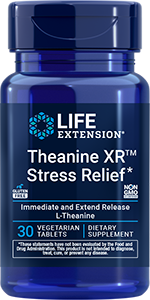
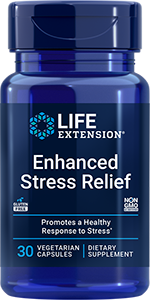
Want to recover without using medication? There are many different kinds of supplements that are available and very effective in helping people combat the physical symptoms of anxiety.