
Chapter 1 - Sensitization The Simple Cause of So Much Nervous Illness
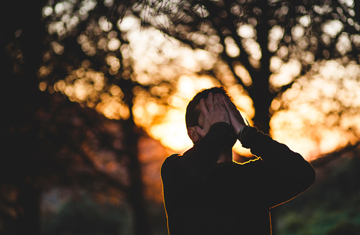
In this chapter, Dr. Claire Weekes discusses what she describes as an overactive, sensitized nervous system. She explains that prolonged sensitization of the nervous system is a common contributor to anxiety and its many physical symptoms. After experiencing chronic stress—whether from difficult life events or even positive but demanding changes—the body's stress response can become exaggerated. This may lead to symptoms such as heart palpitations, butterflies in the stomach, trembling, sweating, difficulty taking a deep breath, headaches, a lump in the throat, pressure on top of the head or around it (as though wearing a tight rubber band), dizziness, feeling off-balance, and even panic attacks.
According to Dr. Weekes, this sensitized state often seems to appear "suddenly" or "out of the blue," but it is frequently the result of long-term stress that has gradually built up without adequate rest or effective stress management. Because the symptoms feel so intense and unexpected, many people become alarmed and begin closely monitoring every sensation in their bodies. As fearful thoughts about the symptoms grow, they add even more fear to the cycle, which in turn can intensify the body's stress response and create even more unpleasant physical sensations.
How It Often Begins
Imagine a busy parent who works full-time while also cooking, cleaning, helping with homework, caring for the children, and shuttling everyone to school, appointments, and activities. They have managed this demanding routine well for years, but then additional stress enters their life—perhaps the loss of a loved one, an illness in the family, financial pressures, or even an exciting life change, such as buying a dream home, getting married, or winning the lottery. Whether the stress is positive or negative, it still places additional demands on the mind and body.
As the weeks and months pass, the parent becomes increasingly tired, irritable, and sleep-deprived. They may be pushing themselves physically and emotionally without allowing enough time to rest and recover. Then one day, while at work or running errands, they suddenly feel dizzy, short of breath, and notice their heart pounding. Terrified, they think, "What's wrong with me? Something must be terribly wrong. Why am I feeling this way?"
As their fear grows, so do the symptoms. Believing they are experiencing a serious medical emergency, they rush to the emergency room expecting the worst. After a thorough evaluation, they are told that their symptoms are the result of anxiety and are often sent home with reassurance and, in some cases, medication to help calm the immediate distress.
When Fear Takes Over
After returning home, the person begins replaying the experience over and over in their mind. They analyze every symptom they felt and become increasingly worried that it will happen again. Thoughts such as "What if it happens tomorrow?" or "Why did this happen to me?" begin to take over. Having been so frightened by the intensity of their body's stress response, they become hyper-aware of every sensation they experience. Unfortunately, this heightened awareness only increases their fear, which in turn intensifies the symptoms and keeps the cycle going.
Claire Weekes referred to this self-perpetuating cycle as "The Anxiety State." What may have begun with prolonged stress and a sensitized nervous system is now maintained by fear, constant self-monitoring, bewilderment, and anxious thinking. The body reacts, the mind becomes alarmed, more adrenaline is released, and the cycle repeats itself. Claire Weekes often described this as the familiar pattern of "fear–adrenaline–fear."
The Search for a Hidden Cause
Because the physical symptoms of anxiety can be so intense, many people become convinced that something more serious must be wrong. They interpret their racing heart, dizziness, shortness of breath, or other sensations as signs of a hidden illness because it is difficult to believe that stress and anxiety alone could produce symptoms that feel so overwhelming. As a result, they begin searching for a deeper explanation when, according to Dr. Claire Weekes, the real problem is often a sensitized nervous system combined with the ongoing fear of the symptoms themselves.
What may have started as an exaggerated stress response can gradually become a deeply ingrained habit of worry, fear, and constant "what if?" thinking. Instead of breaking the cycle, the mind continues searching for reassurance or another explanation. Claire Weekes taught that lasting recovery comes not from endlessly searching for a hidden cause but from learning to stop fearing the body's exaggerated stress response.
When we experience emotions such as fear, anger, excitement, or agitation, our bodies naturally respond. A racing heart, sweating, rapid breathing, trembling, and racing thoughts are all part of the body's automatic stress response. It is doing exactly what it was designed to do.
Think about walking through a haunted house or riding a roller coaster. Your heart pounds, your breathing quickens, and adrenaline surges through your body, yet you usually don't question those sensations because you understand why they are happening. Anxiety becomes frightening when the very same physical reactions occur without an obvious trigger. It isn't always the symptoms themselves that create the greatest distress—it's the frightening meaning we attach to them.
According to Dr. Claire Weekes, when these sensations are repeatedly misunderstood and feared, the nervous system remains sensitized and the anxiety cycle continues. Breaking that cycle requires changing both our reactions and our habitual patterns of thinking so the nervous system has an opportunity to gradually settle down again.
How Do We Break the Cycle?
Anxiety has a way of continually questioning both ourselves and the reassurance we receive from others. Even when medical tests come back normal or we understand the science behind anxiety, that knowledge alone is often not enough to break the habit of fear. According to Dr. Claire Weekes, recovery comes from changing how we respond to our symptoms rather than continuing to fear them.
Many people find that a combination of cognitive-behavioral therapy (CBT), learning healthy inner self-talk, gradually facing their fears, and practicing effective stress management can help calm a sensitized nervous system. For some individuals, medication may also be a helpful tool during recovery when used under the guidance of a healthcare professional.
Recovery isn't usually quick or effortless. It takes patience, persistence, and a willingness to practice new ways of thinking and responding, even when anxiety feels overwhelming. There may be setbacks along the way, but setbacks do not mean failure. With time, practice, and the right tools, many people find they can significantly reduce their anxiety, regain confidence, and return to living a full and meaningful life.
Dr. Claire Weekes was a pioneer in her day, and many self-help approaches written today still draw on techniques similar to those she introduced, which many people have found helpful. To learn more about Dr. Claire Weekes, this is a great article from The Sydney Morning Herald. "A trailblazing Australian doctor stared down professional resistance to revolutionise the way we treat anxiety. Along the way she became a best-selling author and one of the first self-help gurus."
PEACE FROM NERVOUS SUFFERING -- BUY THE BOOK HERE!!
Continue the Claire Weekes Recovery Series
This page is part of our chapter-by-chapter discussion of Peace from Nervous Suffering. Each discussion explores one of Dr. Claire Weekes' core principles for overcoming anxiety and panic.
- Chapter 1 - Sensitization
- Chapter 2 - Fear of Leaving the Safety of Home (Agoraphobia)
- Chapter 3 - Cure of Physical Nervous Symptoms
- Chapter 4 - Unraveling the Maze of Nervous Experiences
- Chapter 5 – Solving the Apparently Insoluble Problem
- Chapter 6 - Do- Don't Just Think about Doing
- Chapter 7 - Eight Quarterly Journals: Understanding Panic, Setbacks and Progress
- Chapter 8 - Coming Through Setback
Return to the Claire Weekes Recovery Guide and continue through the chapters with us.
What's Your Experience?
- Can you identify any long-term stress or major life events that may have contributed to your anxiety?
- Or did your symptoms seem to appear completely "out of the blue"?
- Have you found yourself repeatedly searching for new explanations or reassurance about your symptoms?
- Can you recognize any habitual patterns of thinking that may be keeping your anxiety going?
- What does your inner self-talk sound like during anxious moments? Do you notice how those thoughts affect the way you feel?
- Which physical anxiety symptoms are the most difficult for you, and what strategies have helped you cope with them?
Feel free to share your thoughts below on this Chapter and how this information applies to you and your own understanding of stress and anxiety. We want to hear from you! Use the form below to post at the bottom of this page. Commenting on other people's posts is also encouraged - let's exchange ideas, encouragement and support one another!
Chapter 1 - Sensitization - Let's Talk!
Share your thoughts & experience with the information shared here in Chapter 1. Through sharing to this page, your helping to let others know that they are not alone.
What Other Visitors Have Said
Click below to see contributions from other visitors to this page...
Caught Off Guard
My exaggerated stress response came at a time of prolonged stress. Many events took place in such a short period of time. Although, I think I have always …
🌿 Share the Hope
If this article encouraged you, please consider sharing it with a friend, family member, or anyone who may be struggling today. Sometimes a single article can be the reminder someone needs that they are not alone.