How Gardening Reduces Stress and Anxiety
When life feels overwhelming, spending time in the garden can offer more than just beautiful flowers or fresh vegetables—it can provide a much-needed opportunity to slow down, breathe deeply, and reconnect with the present moment. Whether you have a large backyard, a few containers on a patio, or even a sunny windowsill, gardening is a simple activity that many people find calming and restorative.
Research suggests that gardening may help reduce stress, improve mood, encourage mindfulness, and promote overall emotional well-being. While gardening isn't a cure for anxiety, it can be a healthy part of a balanced lifestyle that supports your mental health. Combined with other effective stress management strategies, regular physical activity, healthy nutrition, and learning how to talk to yourself with truth and compassion, gardening can become one more valuable tool on your journey toward recovery.
On this page, you'll discover why gardening has such a calming effect on the mind, practical ideas for creating a stress-relieving garden, and simple ways to enjoy the benefits of nature no matter where you live.
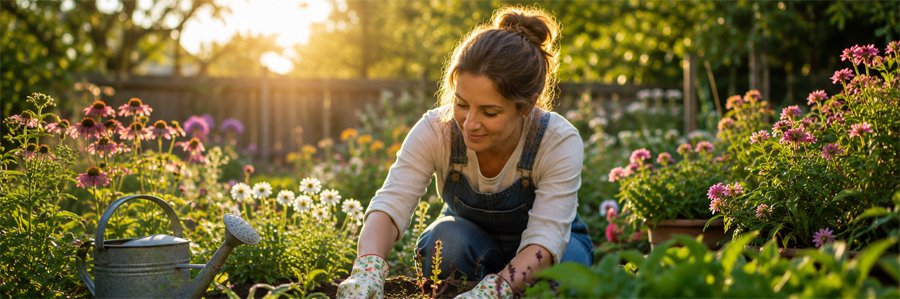
Mindful Benefits of Gardening
Gardening is much more than planting flowers or growing vegetables. It naturally combines several healthy activities that can help lower stress and improve emotional well-being. Spending time outdoors, moving your body, focusing on a simple task, and connecting with nature all work together to create a calming experience. Exposure to natural daylight helps regulate your body's internal clock, supports healthy sleep patterns, and is associated with improved mood.
- Time in nature: Being surrounded by plants, trees, and natural scenery can help quiet a busy mind and reduce feelings of stress. Simply spending time outdoors encourages you to slow down and enjoy the present moment.
- Sunlight and fresh air: Gardening often means spending time in natural sunlight and fresh air. Safe exposure to sunlight helps your body produce vitamin D and supports your natural sleep-wake cycle, while fresh air and being outdoors can leave you feeling refreshed and mentally recharged.
- Mindfulness: Planting seeds, pulling weeds, watering flowers, or harvesting vegetables naturally draws your attention to the task at hand. This gentle focus gives your mind a break from constant worry and can help reduce anxious thinking. Pairing it with simple breathing exercises can make the experience even more relaxing.
- Nature's calming sounds: Birds singing, leaves rustling in the breeze, flowing water, and other sounds of nature can create a peaceful environment that encourages relaxation and helps you stay grounded in the present.
- Creativity and accomplishment: Gardening allows you to create something beautiful and meaningful. Whether you're growing flowers, herbs, vegetables, or a butterfly garden, watching your efforts flourish brings a genuine sense of satisfaction and accomplishment.
- Gentle physical activity: Digging, planting, watering, pruning, and weeding provide light exercise that keeps your body moving. Physical activity is well known to support both physical and mental health, making gardening an enjoyable way to stay active.
If you're looking for additional ways to stay active, be sure to read our page on why exercise helps reduce stress and anxiety.
Gardening Naturally Engages Your Five Senses
Gardening encourages you to slow down and notice the world around you. Feel the soil between your fingers. Smell fresh herbs or blooming flowers. Listen to birds singing and leaves rustling in the breeze. Watch butterflies visit your garden, and taste the vegetables or herbs you've grown yourself.
Engaging your senses helps bring your attention back to the present moment instead of becoming caught up in anxious thoughts about the future. Many people discover that gardening becomes a natural form of mindfulness without even realizing they're practicing it.
Gardening Creates a Connection with Nature
Modern life often keeps us indoors, surrounded by screens, busy schedules, and constant distractions. Gardening provides an opportunity to reconnect with the natural world in a meaningful way. Watching the changing seasons, caring for living plants, and observing birds, butterflies, and beneficial insects reminds us that we are part of something much bigger than ourselves.
Many people discover that this connection with nature helps put life's daily stresses into perspective. Even a few quiet minutes spent outside caring for a garden can leave you feeling calmer, more refreshed, and better prepared to face the rest of the day.
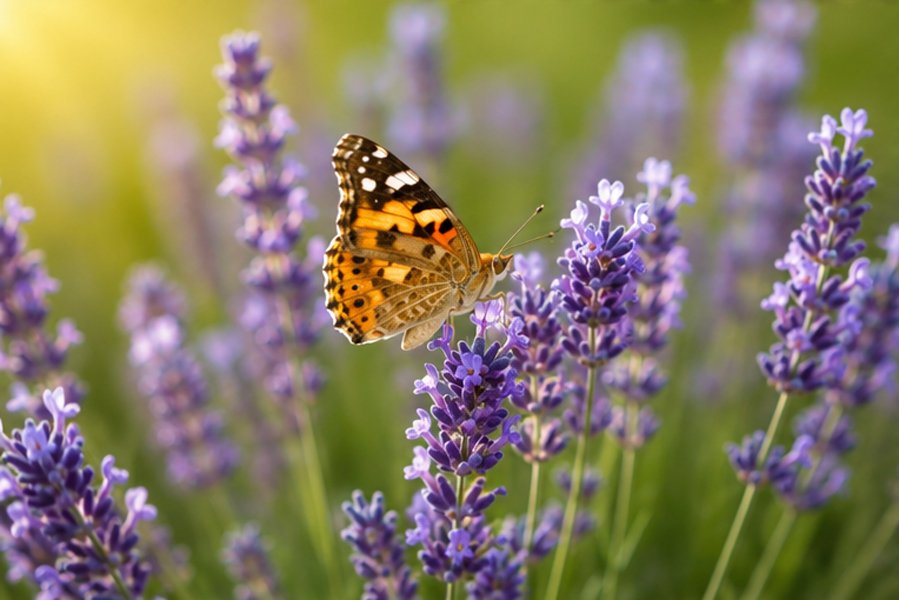
Gardening Helps Quiet a Busy Mind
Stress and anxiety often keep our minds focused on problems we can't immediately solve. Gardening gently redirects that attention toward something positive and productive. Instead of replaying anxious thoughts, your attention shifts to watering, pruning, planting, harvesting, or simply enjoying the beauty around you.
This isn't about ignoring life's difficulties. It's about giving your mind regular opportunities to rest. Even spending twenty or thirty minutes in the garden can provide a healthy mental break before returning to everyday responsibilities.
If racing thoughts are something you struggle with, you may also benefit from learning how to replace anxious thinking with truth.
Gardening Teaches Patience
Gardening reminds us that meaningful growth takes time. Seeds don't sprout overnight, flowers bloom in their own season, and vegetables mature gradually with consistent care. Recovery from stress and anxiety often follows a similar pattern. Although we naturally want immediate results, healing usually happens one small step at a time.
Each time you water your plants, pull a few weeds, or watch new growth appear, you're reminded that small, consistent efforts eventually produce lasting results. If you're learning to recover from anxiety, remember to give yourself the same patience and grace that you would give your garden.
Gardening Encourages Healthy Daily Habits
Plants thrive when they receive regular care, and many people discover that tending a garden helps them establish healthy routines of their own. Watering plants, pulling weeds, checking for new growth, and harvesting vegetables naturally encourage consistency and responsibility.
Daily routines can be especially helpful during periods of stress or anxiety because they provide structure and a sense of accomplishment. Even small routines can help you feel more grounded when life feels uncertain.
One of the wonderful things about gardening is that there is no single "right" way to do it. Some people enjoy growing nutritious vegetables, while others find peace caring for fragrant herbs, colorful flowers, or plants that attract birds and butterflies. Choose projects that excite you, because the more enjoyable gardening becomes, the more likely you'll continue making it part of your healthy routine.
Over time, these small routines become habits, and healthy habits often become part of a healthier lifestyle. Combining gardening with regular physical activity, a nutritious diet, and effective stress management techniques can help support your overall well-being.
Gardening Ideas for Stress Management
If gardening is already one of your favorite hobbies, why not create a garden that supports both your physical and emotional well-being? While no single plant can cure anxiety, growing nutritious vegetables, fragrant herbs, or colorful flowers can make gardening even more rewarding. Here are a few ideas to inspire your next project.
Disclosure: Some links below are affiliate links. If you make a purchase through these links, Sound-Mind.org may earn a small commission at no additional cost to you. Thank you for supporting the continued operation of this free resource.
Grow Nutrient-Rich Vegetables
A healthy diet plays an important role in overall physical and mental health. Consider growing vegetables that are naturally rich in nutrients such as magnesium, calcium, potassium, folate, and B vitamins. Leafy greens like spinach and kale, along with broccoli, asparagus, sweet potatoes, squash, and other colorful vegetables, can become a delicious part of a balanced diet. To learn more about the connection between nutrition and emotional well-being, visit our page on diet and mental health.
For more information on growing your own vegetables, The Complete Gardener: A Practical, Imaginative Guide to Every Aspect of Gardening is an excellent resource.
Plant Sunflowers
Sunflowers are cheerful, easy to grow, and produce seeds that are naturally rich in magnesium. Magnesium is an essential mineral involved in hundreds of processes throughout the body, including normal muscle and nerve function. While not everyone with anxiety has low magnesium levels, some people do benefit from discussing possible deficiencies with their healthcare provider.
Even if you don't eat the seeds yourself, birds will happily enjoy the harvest, bringing even more life and activity to your garden. David's Garden Mammoth Grey Stripe Sunflower Seeds produce impressively large flower heads packed with seeds.
Create a Culinary Herb Garden
Fresh herbs are wonderful for cooking, but many have also been traditionally used to promote relaxation and support general well-being. Herbs such as lemon balm, passionflower, and lavender have a long history of use in natural health. If you're interested in learning more, you may also enjoy our pages on herbal remedies for anxiety and aromatherapy for stress and anxiety.
Your Backyard Herb Garden is an excellent guide for anyone wanting to get started.
Grow Lavender for Relaxation
Lavender is one of the best-known plants associated with relaxation. Many people enjoy growing it for its beautiful flowers and pleasant fragrance. Once harvested, lavender can be dried and used in sachets, potpourri, homemade soaps, or simple bouquets to enjoy around the home. If you'd like to learn more, visit our page on aromatherapy for stress and anxiety.
Lavender: How to Grow and Use the Fragrant Herb offers detailed growing tips and creative ideas for using your harvest.
Create a Butterfly and Hummingbird Garden
A garden designed to attract butterflies and hummingbirds adds movement, color, and life to your outdoor space. Watching wildlife visit your flowers can be surprisingly peaceful and encourages you to slow down and enjoy the present moment. Plants such as lavender, bee balm, salvia, hibiscus, and azaleas are just a few popular choices.
Attracting Hummingbirds and Butterflies to Your Backyard is another helpful resource. Remember that many of these books are also available through your local library.
Growing your own herbs can make gardening even more rewarding. In addition to providing fresh flavors for cooking, many herbs have been traditionally used to support relaxation and overall well-being. While no herb is a cure for anxiety, cultivating plants that have a long history of use in natural health can be a meaningful way to combine your love of gardening with your interest in caring for your body and mind. If you'd like to learn more about herbs that are commonly used to help manage the physical symptoms of stress and anxiety, visit our page on the best herbal remedies for anxiety.
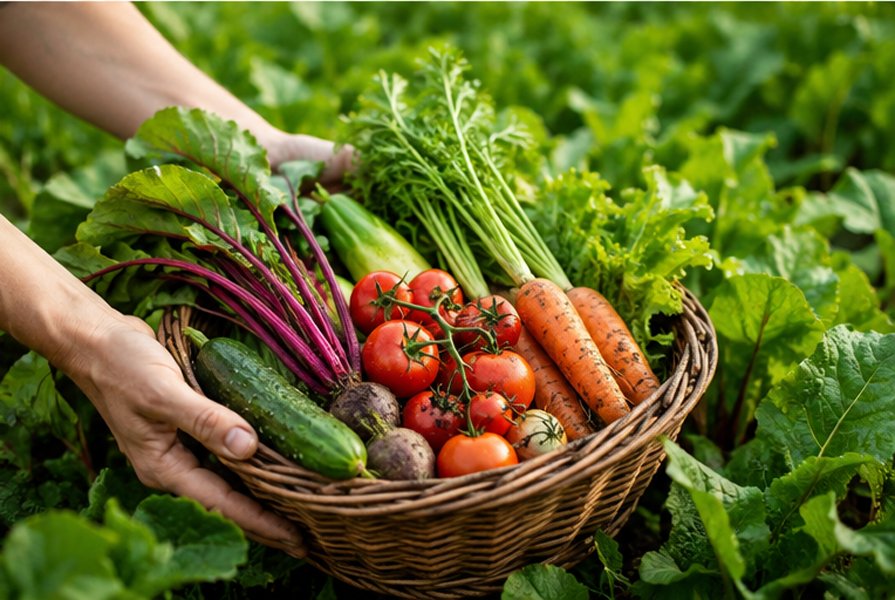
Long-Term Benefits of Gardening
The benefits of gardening often grow over time. As your garden develops, so can your confidence, knowledge, and appreciation for the outdoors. Many gardeners discover that what began as a simple hobby becomes an important part of their lifestyle and emotional well-being.
Regular gardening encourages physical activity, time outdoors, healthy eating, creative expression, and opportunities to disconnect from constant screens and daily pressures. These habits can work together to support better overall health and may help reduce the impact of everyday stress over the long term.
Perhaps one of the greatest long-term benefits is that gardening gives you something positive to look forward to. Watching seedlings emerge, waiting for flowers to bloom, or harvesting vegetables throughout the season creates small moments of anticipation and accomplishment. Those experiences can become bright spots during difficult weeks and reminders that growth often happens quietly over time.
If you're looking for additional ways to support your mental well-being, you may also enjoy our pages on effective stress management strategies, diet and mental health, and why exercise helps reduce stress and anxiety.
Gardening Isn't Just for the Outdoors!
You don't need a large backyard to enjoy the calming benefits of gardening. If you live in an apartment, have limited outdoor space, or are physically unable to maintain a traditional garden, indoor gardening can be just as enjoyable. A few pots on a sunny windowsill, a collection of houseplants, or a small herb garden can bring a little bit of nature into your home and provide a relaxing hobby all year long.
Indoor gardening is also a wonderful option during the winter months when spending time outside may not be practical. Watching seeds sprout, caring for plants, and seeing new growth can provide a sense of purpose, accomplishment, and hope—especially during stressful seasons of life.
If you're looking for an easy way to get started, indoor gardening kits make growing herbs and vegetables simple, even for beginners. There are many different hydroponics growing systems for indoor gardens to choose from.
What If Gardening Feels Stressful?
Not everyone finds gardening relaxing, especially in the beginning. If you feel overwhelmed by weeds, large projects, physical limitations, or the pressure to create the "perfect" garden, remember that gardening doesn't have to be complicated.
Start small. Plant a single container of herbs. Grow one tomato plant. Water a few flowers each evening. Your garden doesn't have to impress anyone else—it only needs to bring you a little more peace than you had yesterday.
If gardening begins to feel like another chore on your to-do list, give yourself permission to slow down. The goal isn't perfection. The goal is to spend time doing something that helps restore your mind and body.
Celebrate Small Victories
Gardening naturally teaches us to appreciate small victories. The first seedling breaking through the soil, the first flower opening, or the first tomato ripening may seem like tiny accomplishments, but each one reminds us that progress is happening—even when it feels slow.
Anxiety recovery often works the same way. Instead of waiting for one dramatic breakthrough, celebrate each small step forward. Every day you practice healthier thinking, spend time outdoors, exercise, eat well, or manage stress in a healthier way, you're strengthening your foundation for long-term recovery.
What Gardening Teaches Us About Recovery
Gardening teaches us an important lesson about recovery. Seeds don't become flowers overnight, and healing doesn't happen overnight either. Both require patience, consistent care, and hope that today's small efforts will eventually produce something beautiful. If you're walking through a difficult season, don't underestimate the value of taking one small step at a time.
🌿 Share the Hope
If this article encouraged you, please consider sharing it with a friend, family member, or anyone who may be struggling today. Sometimes a single article can be the reminder someone needs that they are not alone.
Guided Steps to Recovery
Natural Supplements
Stress and anxiety can sometimes lead people to search for quick ways to feel better. Natural options such as herbs, vitamins, and supplements are one choice some people explore as part of a healthier approach to managing symptoms. Developing positive coping strategies can help reduce the temptation to rely on unhealthy habits, including alcohol or other substances.