Vitamins and Supplements for Anxiety
Stress, anxiety, diet, lifestyle, and individual nutritional needs can all influence how we feel physically and emotionally. Some people explore vitamins, minerals, amino acids, and other supplements as part of a healthy approach to supporting overall well-being and managing stress. When a person has a nutritional deficiency, correcting that deficiency may be particularly important. Research continues to explore how specific nutrients may influence stress, anxiety, mood, and the nervous system.
The Role of Vitamins and Minerals in Psychiatry reviews the relationship between nutrition and mental health and discusses the importance of adequate vitamins and minerals for normal brain and nervous-system function. While nutritional support should not be considered a replacement for professional treatment when treatment is needed, maintaining good nutritional status is an important part of overall health and may be especially relevant when a deficiency is present.
The information below looks at several vitamins, minerals, amino acids, and other supplements that have been studied in connection with stress, anxiety, sleep, mood, or general nervous-system health. The amount of research varies considerably from one nutrient to another, so these supplements should not all be considered equally supported by scientific evidence.
Important: Talk With Your Doctor First
If you are considering vitamins, minerals, or other supplements as part of your approach to managing stress or anxiety, it is a good idea to talk with your doctor or pharmacist first. Supplements can affect people differently, may interact with prescription or over-the-counter medications, and may not be appropriate for everyone.
Your healthcare professional can help you determine whether a particular supplement is appropriate for you, whether you may have a nutritional deficiency that should be addressed, and whether the amount you are considering is suitable. This is especially important if you take medications, are pregnant or breastfeeding, or have an ongoing health condition.
Choosing to explore nutritional support does not mean you have to do it alone. Taking a little time to discuss your options with a qualified healthcare professional can help you make a safer and more informed decision.
What Does the Research Say?
Vitamins, minerals, amino acids, and other nutritional supplements are sometimes explored as part of an overall approach to managing stress and supporting general well-being. Nutritional deficiencies can affect many aspects of health, including energy, sleep, mood, and normal nervous-system function. However, taking more of a nutrient is not necessarily better, and research on supplements for anxiety varies considerably from one nutrient to another.
The information below summarizes some of the nutrients and supplements that have been studied in connection with anxiety, stress, sleep, mood, or nervous-system health. These studies are provided for educational purposes and should not be interpreted as proof that a particular supplement will treat or cure anxiety.
Magnesium
Magnesium is an essential mineral involved in hundreds of processes throughout the body, including normal muscle and nerve function. Because adequate magnesium is important for normal nervous-system function, it has attracted interest as a possible nutritional support for stress, sleep, and anxiety. People who have an inadequate intake or a magnesium deficiency may have more reason to consider whether they are getting enough through food or supplements.
There are several forms of magnesium supplements, and they can differ in absorption, tolerability, and their effects on the digestive system. Magnesium glycinate is often chosen by people looking for a form that is relatively gentle on the stomach. Magnesium citrate can have a laxative effect and is sometimes used to relieve constipation. Magnesium malate and magnesium L-threonate are other forms that are available as dietary supplements. Claims about one form being specifically better for anxiety, memory, or brain health should be considered cautiously because research does not establish that one form is universally best for these purposes.
One commercially available supplement containing several forms of magnesium is Magnesium, L-Threonate - Elemental Magnesium, Bisglycinate Chelate and Malate. This is included as an example of a commercially available product rather than a recommendation that everyone should use it.
For additional reading, The Magnesium Miracle (Second Edition) by Carolyn Dean, M.D., N.D. provides further discussion about magnesium and its many functions in the body.
Vitamin C and Vitamin E
Vitamin C and vitamin E are antioxidant nutrients that help protect cells from oxidative damage and are important for normal health. Vitamin C is also involved in normal immune function and other biological processes. Researchers have investigated whether antioxidant vitamins may influence the body's response to stress and anxiety, although evidence from these studies does not establish that taking additional vitamin C or vitamin E will treat an anxiety disorder.
One study examining vitamin C and vitamin E found changes in anxiety-related behavior in rats following supplementation. You can read the study here: Prolonged treatment with vitamins C and E separately and together decreases anxiety-related open-field behavior and acoustic startle in hooded rats. Because this was an animal study, its findings cannot be assumed to apply directly to people.
B5, B6, and B7 (Biotin)
B vitamins are involved in energy metabolism and normal nervous-system function. Vitamin B6, for example, is involved in the production of several neurotransmitters, while biotin (vitamin B7) has important roles in metabolism. Researchers have also investigated whether dietary intake of B vitamins is associated with differences in stress, anxiety, and mood.
A population-based study found that higher dietary intake of some B vitamins, particularly biotin, was associated with a lower prevalence of reported depression, anxiety, and stress symptoms. You can read the research here: Dietary intake of B vitamins and their association with depression, anxiety, and stress symptoms: A cross-sectional, population-based survey. An association between nutrient intake and symptoms does not necessarily mean that the vitamin itself caused the difference, but it is an interesting area for further research.
Zinc
Zinc is an essential mineral that supports normal immune function, cell growth, metabolism, and many other processes throughout the body. Researchers have investigated a possible relationship between zinc status and anxiety, particularly whether people experiencing anxiety may have different blood zinc levels than people without anxiety.
A systematic review found an association between lower serum zinc levels and anxiety and also reported an inverse relationship between zinc consumption and anxiety in some of the studies reviewed. The authors note that additional research is needed to better understand this relationship. Read the study here: A systematic review of the association between zinc and anxiety.
Iron
Iron is essential for transporting oxygen throughout the body and for many other biological processes. Iron deficiency is common worldwide and can contribute to fatigue and other health problems. Certain groups, including menstruating women, children, and some older adults, can be at greater risk of iron deficiency.
Researchers have also examined the relationship between psychological stress and iron levels. One study investigated the effects of psychological stress on serum iron and red blood cell production: Effects of psychological stress on serum iron and erythropoiesis. This area of research is interesting, but it is important not to assume that anxiety or stress means a person needs additional iron. Iron supplements are generally best used when deficiency or increased need has been identified, since excessive iron can also be harmful.
Niacinamide
Niacinamide, also called nicotinamide, is one form of vitamin B3. Vitamin B3 is an essential nutrient found naturally in foods such as meat, fish, poultry, eggs, nuts, legumes, and fortified grains. Niacinamide is involved in energy metabolism and many other processes throughout the body.
There has been interest in whether niacinamide may have effects on anxiety and stress, but the evidence is limited. A small report described three cases involving supplemental niacinamide and anxiety symptoms: Supplemental Niacinamide Mitigates Anxiety Symptoms: Three Case Reports by Jonathan E. Prousky, N.D., FRSH. Because this report involved only three cases and was not a large controlled clinical trial, it should be viewed as preliminary rather than proof of effectiveness.
It is also important not to assume that high-dose niacinamide is appropriate simply because it is a form of vitamin B3. Supplement doses can be considerably higher than the amounts normally obtained from food, and high doses of any nutrient can have risks or interact with medications. Anyone considering a high-dose supplement should discuss it with a qualified healthcare professional.
Thiamine (Vitamin B1)
Thiamine, or vitamin B1, is an essential nutrient involved in energy metabolism and normal nervous-system function. Adequate thiamine is important for the brain and nervous system, and severe deficiency can cause significant neurological problems.
Research has examined the effects of thiamine deficiency on neurological and behavioral function. For example, this study, Thiamine Deficiency Causes Long-Lasting Neurobehavioral Deficits in Mice, examined the effects of deficiency in mice. Animal research can help scientists understand possible biological mechanisms, but it does not establish that thiamine supplementation treats anxiety disorders in humans.
To increase dietary vitamin B1 naturally, foods such as pork, fish, beef, nuts, seeds, beans, and fortified grains can provide thiamine as part of a balanced diet.
Inositol
Inositol is sometimes called vitamin B8, although it is not actually a vitamin. It is a naturally occurring carbohydrate-like compound that is involved in cell signaling and other functions in the body.
Inositol has received particular research attention in connection with panic disorder and other conditions involving anxiety. One randomized, double-blind, controlled study compared inositol with fluvoxamine in people with panic disorder: Double-blind, controlled, crossover trial of inositol versus fluvoxamine for the treatment of panic disorder.
This type of research is worth exploring, but it does not mean that inositol is an appropriate replacement for prescribed treatment. Anyone considering inositol for panic attacks or another anxiety condition should discuss the option with a healthcare professional, particularly if they are already taking medication.
GABA (Gamma-Aminobutyric Acid)
GABA, or gamma-aminobutyric acid, is the body's primary inhibitory neurotransmitter and plays an important role in regulating communication between nerve cells. Because GABA is involved in the body's calming processes, it has attracted interest as a possible supplement for relaxation and stress.
For additional reading, Life Extension has published an article called The Chemistry of Calm, based on psychiatrist Henry Emmons' work on natural approaches to managing anxiety.
Although GABA supplements are widely available, taking GABA orally does not necessarily have the same effect as increasing GABA activity within the brain. Research into oral GABA supplementation and anxiety is still developing, so it is better to view it as an area of interest rather than a proven treatment.
Melatonin
Melatonin is a hormone produced primarily by the pineal gland that helps regulate the body's sleep-wake cycle. Because sleep and anxiety are closely connected, melatonin has been studied as a possible supplement for sleep problems and conditions associated with anxiety.
Research into melatonin and anxiety is promising but still developing. One review, Melatonin as a Potential Approach to Anxiety Treatment, examines the potential role of melatonin in anxiety-related conditions and discusses the need for additional research.
Melatonin supplements are widely available, but "natural" does not necessarily mean appropriate for everyone. Melatonin can affect sleepiness and may interact with certain medications. If you are considering melatonin regularly, particularly if you take prescription medications or have an ongoing health condition, speak with a healthcare professional first.
For additional reading, The Melatonin Miracle: Nature's Age-Reversing, Disease-Fighting, Sex-Enhancing Hormone by Walter Pierpaoli, M.D., Ph.D., provides additional reading about melatonin.
L-Theanine (Also Known as Suntheanine)
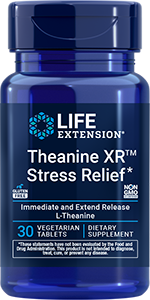
L-theanine is an amino acid naturally found in tea, particularly green tea. It has attracted interest because of its potential effects on relaxation, attention, sleep, and the body's response to stress. Some studies have reported promising results, but research is still developing and L-theanine should not be considered a proven replacement for prescription anxiety medications.
For readers interested in the research and historical literature surrounding L-theanine, the following articles are available: Quick Relief from Anxiety and Stress without Tranquilizer Drugs by Tiesha D. Johnson, RN, BSN; A New Natural Relaxant; and L-Theanine for Relaxation and Stress by Marcus Laux, ND.
L-theanine is also sometimes combined with other supplements, including GABA and herbal ingredients. If you take prescription medication or use several supplements together, it is wise to check with a pharmacist or other qualified healthcare professional for possible interactions.
Garum Armoricum
Garum armoricum is a nutritional extract derived from a deep-sea fish found in the Atlantic Ocean. It has been studied as a nutritional approach to stress and fatigue, although it is considerably less familiar and less extensively researched than nutrients such as magnesium or B vitamins.
For readers who would like to learn more about this supplement, GARUM ARMORICUM®: A Nutritional Tool for Chronic Stress discusses its proposed nutritional uses.
Another historical resource is this Life Extension article, Natural Therapy For Fatigue and Anxiety, which discusses the use of a European fish extract for fatigue and anxiety. Because some of the claims and comparisons in older articles may not reflect current evidence, these resources are best read as background information rather than as proof that Garum armoricum can replace prescription anxiety medication.
Additional Scientific Research on Vitamins and Supplements for Anxiety
The impact of essential fatty acid, B vitamins, vitamin C, magnesium and zinc supplementation on stress levels in women: a systematic review - "The current review suggests that Essential Fatty Acids may be effective in reducing prenatal stress and salivary cortisol and may reduce anxiety during premenstrual syndrome and during menopause in the absence of depression. Magnesium and vitamin B6 may be effective in combination in reducing premenstrual stress, and vitamin B6 alone may reduce anxiety effectively in older women. High-dose sustained-release vitamin C may reduce anxiety and mitigate increased blood pressure in response to stress." Great supplements for fatty acids are pumpkin seed oil (also great for the bladder and prostate), Cod Liver Oil, Fish Oil, Flaxseed Oil, etc. and when looking for a good EFA (essential fatty acid), be sure to look for keywords such as "cold-pressed", "pure", "organic" and/or "mercury-free". The purpose of a good supplement is to help you feel better and be more nourished, so always be aware of the added non-sense found in cheap supplements. Certified & Pharmaceutical-grade will always be found at Life Extention Vitamins such as
Life Extension Provinal Purified Omega-7 (30 Softgels)
A Systematic Review and Meta-Analysis of B Vitamin Supplementation on Depressive Symptoms, Anxiety, and Stress: Effects on Healthy and ‘At-Risk’ Individuals - "There is increasing consensus that nutrient status is an important modifiable factor in many neurological and psychiatric conditions. This present review provides evidence that B group vitamin supplementation (either alone or with a multivitamin) may also benefit mood in healthy and at-risk individuals. Further research utilising multiple B vitamins in at-risk groups (with suboptimal nutritional status or subclinical mood disturbances) is warranted. An increased understanding of how baseline micronutrient status and dietary habits influence the effects of supplementation will be essential in order to provide evidence-based recommendations on the benefit of B vitamins for mood."
🌿 Supplements Are Only One Piece of the Puzzle
Vitamins and supplements can play an important part of an approach to managing anxiety, but they are not the only tools available. Finding what helps you often means putting several healthy pieces of the puzzle together. You may find that something as simple as changing your daily habits, learning how to respond differently to anxious thoughts, or giving your body regular opportunities to relax can make a meaningful difference.
Here are some other areas you may want to explore:
- Breathing Exercises for Anxiety
- Exercise and Stress Relief
- Journaling
- Cognitive Behavioral Techniques
- Stress Management Strategies
- Learning How to Talk to Yourself
- Aromatherapy for Stress and Anxiety
- Herbal Remedies for Anxiety
- Benefits of Massage Therapy
You don't have to try everything at once. Explore the different approaches, learn what makes sense for you, and gradually build your own collection of healthy tools for handling anxiety and stress.
🌿 Share the Hope
If this article encouraged you, please consider sharing it with a friend, family member, or anyone who may be struggling today. Sometimes a single article can be the reminder someone needs that they are not alone.
Guided Steps to Recovery
Natural Supplements
Stress and anxiety can sometimes lead people to search for quick ways to feel better. Natural options such as herbs, vitamins, and supplements are one choice some people explore as part of a healthier approach to managing symptoms. Developing positive coping strategies can help reduce the temptation to rely on unhealthy habits, including alcohol or other substances.