Guided Steps to Recover from Anxiety & Panic
The guided recovery steps below are not meant to be followed perfectly or in a strict order. Think of them as building blocks that can work together to help you better understand anxiety, reduce symptoms, and regain confidence in yourself and your recovery.
A Step-by-Step Path Toward Recovery
Recovering from anxiety, panic attacks, chronic stress, and other emotional struggles rarely happens through one single technique or quick fix. Recovery is usually built through a series of small, consistent changes that help calm the nervous system, improve coping skills, and rebuild confidence over time.
The guided recovery steps below are designed to help you work on the areas that often play an important role in overcoming anxiety, panic, and emotional struggles.
Each step focuses on a different piece of the puzzle, and together they can help create a stronger foundation for healing and long-term well-being.You do not have to complete these steps perfectly, and you do not need to rush through them. Many people revisit certain steps many times throughout their recovery journey. Progress often comes from patience, practice, and learning what works best for you.
🌱 New to Recovery?
If you're feeling overwhelmed, begin with Step 1 and work through these guided recovery steps at your own pace. You can return to this page anytime as your roadmap for overcoming anxiety, panic, and other emotional struggles.
Step 1: Self-Help for Anxiety and Your Recovery Options
Recovery begins with understanding that there are many ways to get help. Self-help strategies, lifestyle changes, therapy, support groups, and medical treatment can all play a role in overcoming anxiety and panic.
In this section, you'll learn about the various recovery options available and how to begin creating a plan that fits your individual needs.
Read: Self Help for Anxiety & Recovery Options →
Step 2: Journaling – Why It's Important
Writing down your thoughts and feelings can be a powerful tool for recovery. Journaling helps you identify patterns, understand triggers, process emotions, and gain perspective on your experiences.
Even a few minutes of writing each day can help reduce mental clutter and improve emotional awareness.
Read: Journaling – Why It's Important →
Step 3: Exercise Is Necessary
Physical activity does far more than improve physical health. Exercise can reduce stress hormones, release feel-good chemicals in the brain, improve sleep, and help regulate the nervous system.
Regular movement is often one of the most effective natural tools for managing anxiety and improving mood.
Read: Exercise Is Necessary →
Step 4: Diet and Mental Health
What we eat can influence how we feel. Blood sugar fluctuations, caffeine, alcohol, nutritional deficiencies, and poor eating habits can sometimes contribute to anxiety symptoms and emotional distress.
This section explores how nutrition may support both physical and mental well-being.
Read: Diet and Mental Health →
Step 5: Cognitive Behavioral Techniques
Our thoughts can have a powerful influence on our emotions and behaviors. Cognitive Behavioral Therapy (CBT) techniques help us identify unhelpful thinking patterns and replace them with healthier, more balanced ways of thinking.
Learning these skills can help reduce fear, challenge anxious thoughts, and improve coping abilities.
Read: Cognitive Behavioral Techniques →
Step 6: Stress Management Strategies
Long-term stress can place a heavy burden on both the mind and body. Learning how to manage stress more effectively can help lower anxiety levels and improve overall resilience.
This section offers practical strategies that can help you better cope with life's challenges.
Read: Stress Management Strategies →
Step 7: How to Talk to Yourself
The conversations we have with ourselves matter. Self-criticism, catastrophic thinking, and negative inner dialogue can make emotional struggles feel even heavier.
Learning to speak to yourself with understanding, patience, and encouragement can become an important part of the healing process.
Read: How to Talk to Yourself →
Step 8: Building Self-Confidence
Anxiety and emotional struggles can gradually erode confidence and lead us to doubt our abilities. Rebuilding self-confidence often means taking small steps, facing fears, and recognizing personal strengths.
Confidence is not about being perfect—it's about learning to trust yourself again.
Read: Building Self-Confidence →
Remember: Recovery Is a Process
Healing from anxiety, panic attacks, and emotional struggles usually happens one step at a time. There may be setbacks along the way, and that's completely normal. Progress often comes from making small changes consistently and continuing to move forward, even when improvement feels slow.
You are not expected to master every step overnight. Instead, think of these guided recovery pages as tools that you can return to whenever you need support, encouragement, or a reminder that change is possible.
Take your time, be patient with yourself, and keep moving forward one step at a time.
🌿 Share the Hope
If this article encouraged you, please consider sharing it with a friend, family member, or anyone who may be struggling today. Sometimes a single article can be the reminder someone needs that they are not alone.
Guided Steps to Recovery
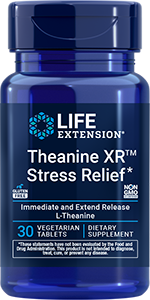
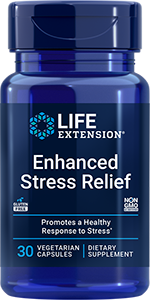
Natural Supplements
Stress and anxiety can sometimes lead people to search for quick ways to feel better. Natural options such as herbs, vitamins, and supplements are one choice some people explore as part of a healthier approach to managing symptoms. Developing positive coping strategies can help reduce the temptation to rely on unhealthy habits, including alcohol or other substances.