What Helps With Panic Attacks
If you are searching for answers about panic attacks, you are not alone. Panic can be frightening and confusing, especially when the physical sensations seem to come out of nowhere. Understanding what is happening during a panic attack is an important first step toward learning how to respond to it differently. There are practical skills and approaches that can help you work through panic, reduce the fear surrounding it, and gradually regain confidence in situations that have become difficult.
So, what helps with panic attacks? Well, first let's understand that panic disorder is one of the major types of anxiety disorders. This particular disorder is characterized by recurring panic attacks. Having a random panic attack does not necessarily mean you have panic disorder. Many people experience a single panic attack and never have another one again, while others experience them more frequently. Panic disorder involves repeated, unexpected panic attacks and may become severe enough to interfere with a person's routine and daily life.
This page will help you understand the panic response, recognize common panic symptoms and triggers, and learn why the fear of panic itself can sometimes keep the cycle going. Most importantly, you will learn about approaches that can help you face panic rather than allowing fear and avoidance to take control of your life.
If You Are Having a Panic Attack Right Now
First, remind yourself: this is a panic response. Your body's alarm system has been activated, and the sensations you are experiencing can feel extremely frightening. You do not have to make the sensations disappear immediately. Your goal right now is to stop adding fear to the sensations and allow your body to settle.
Take a moment to slow down and tell yourself the truth:
- I am experiencing a panic response.
- These sensations are frightening, but they will rise and fall.
- I do not have to fight every sensation I feel.
- I do not have to figure everything out right now.
- I can allow my body to settle while I remain where I am, if it is safe to do so.
Try not to continually check your heartbeat, breathing, or other body sensations. Instead, gently bring your attention back to what is happening around you. Breathe normally and comfortably rather than forcing deep breaths. Let the adrenaline run its course. As you become less afraid of the sensations, the panic cycle can begin to lose its power.
Remember: you have gotten through frightening sensations before, and you can get through this one too. You do not have to feel completely calm before you begin. Simply stay with yourself, tell yourself the truth, and allow the panic to rise and fall.
If you are experiencing new, severe, unusual, or unexplained symptoms—or you are unsure whether what you are experiencing is panic—seek appropriate medical care rather than assuming it is anxiety.
On This Page
Understanding Panic Attack Symptoms
Panic attacks can produce a wide range of physical and emotional symptoms. Some people experience only a few symptoms, while others experience many at once. The sensations can be intense and frightening, particularly when you do not understand why they are happening. Recognizing common panic attack symptoms can help you better understand what you are experiencing and may make the sensations feel less mysterious and frightening.
Common symptoms of a panic attack include (but are not limited to):
- Shortness of breath or breathlessness: During a panic attack, the fight-or-flight response can change your breathing, causing you to breathe faster or more deeply than usual. This can make it feel as though you cannot get enough air, even though you may actually be taking in plenty of oxygen. Changes in carbon dioxide levels can also contribute to the sensation of air hunger, chest tightness, or difficulty getting a satisfying breath. The frightening feeling that you cannot breathe can then increase fear and cause the panic response to become stronger.
- Racing heartbeat: When the brain perceives a threat, the body's fight-or-flight response prepares you to take action. Adrenaline increases the heart rate so the heart can pump blood more quickly to the muscles and other parts of the body that may need extra energy. During a panic attack, this response can happen even when there is no immediate physical danger, making your heartbeat feel unusually fast, forceful, or noticeable.
- Racing thoughts: When the brain's threat-detection system becomes highly activated, your attention can become focused on finding danger, solving problems, and anticipating what might happen next. This can cause thoughts to move rapidly from one frightening possibility to another, making it difficult to slow your mind down or focus on anything else. During a panic attack, you may find yourself repeatedly thinking "What if?" questions, imagining something terrible happening, or urgently searching for an explanation for the sensations you are experiencing. The faster these thoughts become, the more frightened you may feel, which can further intensify the panic response.
- Trembling or shaking: When the body enters a fight-or-flight response, adrenaline increases muscle readiness and prepares the muscles to act quickly. The rapid activation and tension in the muscles can cause trembling, shaking, or a feeling that your muscles are vibrating or difficult to control. These sensations can continue for a short time as the body settles back down after the stress response.
- Sweating: When the fight-or-flight response is activated, adrenaline stimulates the body's sweat glands as part of its preparation to deal with a perceived threat. Sweating helps the body regulate its temperature while it is preparing for physical activity. During a panic attack, this response can occur even when you are not physically exerting yourself, causing sudden sweating, clammy skin, or perspiration on the hands, face, or other parts of the body.
- Hot or cold flashes: During the fight-or-flight response, adrenaline causes changes in blood flow and activates the body's sweating response as it prepares to deal with a perceived threat. These changes can cause a sudden feeling of warmth, flushing, sweating, or intense heat. As the body begins to cool down or the adrenaline response subsides, you may then experience chills or a sudden feeling of cold. These sensations can come and go as the panic response rises and falls.
- Dizziness or lightheadedness: During a panic attack, breathing can become faster or deeper than usual. This can lower the level of carbon dioxide in the blood and contribute to dizziness, lightheadedness, or a feeling that you might faint. The sensation can be frightening, which may cause you to become even more focused on your body and increase the fear and anxiety you are already experiencing.
- Feelings of unreality (derealization): During intense anxiety or panic, the brain becomes highly focused on detecting and responding to perceived danger. This heightened state of arousal, combined with intense attention to your thoughts, feelings, and surroundings, can temporarily change the way you experience the world around you. Things may seem distant, dreamlike, foggy, strangely unfamiliar, or as though you are watching the world through a veil. This experience is sometimes called derealization. It can be extremely frightening, but experiencing derealization during panic does not mean that you are losing your mind.
- Feeling detached from yourself (depersonalization): During intense anxiety or panic, some people experience a strange feeling of being disconnected from themselves, their body, thoughts, emotions, or actions. You may feel as though you are watching yourself from a distance, as though you are going through the motions without feeling fully connected to yourself, or as though your body does not quite feel like your own. This experience is sometimes called depersonalization and can be very frightening. It can occur during periods of intense anxiety and panic and does not mean that you are going crazy.
- Tingling/numbness in the hands and feet: During a panic attack, breathing may become faster or deeper than usual. This can lower carbon dioxide levels in the blood and contribute to temporary changes in nerve and muscle activity, producing sensations such as tingling, pins and needles, or numbness. These sensations are often noticed in the hands, feet, fingers, toes, or around the mouth and can become more noticeable when you are closely monitoring your body.
- Dry mouth: When the body enters a fight-or-flight response, it temporarily shifts its attention away from functions that are not immediately needed for dealing with a perceived threat. Saliva production can decrease, leaving your mouth feeling dry, sticky, or unusually thirsty. Breathing through the mouth, particularly when you are breathing faster than usual during panic, can make the dryness even more noticeable.
- Tightness or pain in the chest: During a panic response, the muscles throughout the body can become tense, including the muscles around the chest and upper body. Changes in breathing can also contribute to a feeling of tightness, pressure, or discomfort in the chest. When you become frightened by these sensations, increased anxiety can cause even more muscle tension and make the discomfort feel stronger. Chest pain can have many possible causes, however, so new, severe, unusual, or unexplained chest pain should always be taken seriously and evaluated by a healthcare professional.
- Nausea: When the body perceives a threat, the fight-or-flight response temporarily shifts attention away from digestion and toward functions needed for immediate action. Changes in digestive activity, muscle tension, and the effects of adrenaline can produce a queasy or unsettled feeling in the stomach. For some people, this can lead to nausea, loss of appetite, or even the feeling that they might vomit.
- A nervous feeling in the stomach (butterflies): When the fight-or-flight response is activated, the body temporarily shifts resources away from digestion and toward systems needed to respond to a perceived threat. Changes in digestive activity and increased muscle tension in the abdomen can create the familiar sensation of "butterflies," fluttering, churning, or nervousness in the stomach. This is a real physical response to stress and anxiety, not something you are simply imagining.
- Choking sensations or feelings of smothering: During a panic response, changes in breathing and increased tension in the muscles of the throat, neck, and chest can create a sensation of tightness or difficulty swallowing. Breathing faster or breathing through the mouth can also make the throat feel dry or uncomfortable. These sensations can create the frightening feeling that you are choking or cannot get enough air, which can then increase fear and make the panic response even stronger.
- Feeling unable to swallow: During a panic response, tension in the muscles of the throat and neck, along with a dry mouth and heightened awareness of bodily sensations, can create the feeling that you cannot swallow normally. You may become very aware of your throat or swallowing muscles and worry that something is blocking your airway. This sensation can be frightening, but anxiety can make normal swallowing sensations feel unusually difficult or noticeable. Fear of choking can then increase tension and make the sensation feel even stronger.
- Difficulty speaking or getting words out: During intense anxiety or panic, the combination of rapid breathing, adrenaline, racing thoughts, and difficulty concentrating can make it harder to organize your thoughts and speak normally. You may have trouble finding the right words, feel as though your speech is temporarily slowed or awkward, or know what you want to say but have difficulty getting the words out. This can be especially frightening and may lead you to worry that you are having a stroke or losing control. Although difficulty speaking can occur during intense anxiety, sudden or unexplained trouble speaking, especially when accompanied by facial drooping, weakness, numbness, or other neurological symptoms, should always be treated as a medical emergency.
- Jelly-like or weak legs: During the fight-or-flight response, adrenaline increases muscle readiness and prepares the body to move quickly. At the same time, intense muscle tension, trembling, changes in breathing, and the physical exhaustion that can follow a surge of adrenaline may make your legs feel weak, shaky, heavy, or like they are made of jelly. This sensation can make you feel as though you might collapse, even when you are still able to stand and walk.
- Blurry vision: During a panic response, adrenaline and heightened alertness can temporarily affect how you experience your vision. Rapid or altered breathing, changes in muscle tension around the eyes, and intense focus on the perceived threat can contribute to blurred or altered vision. Some people may also notice difficulty focusing or a feeling that their vision is somehow different from normal. These changes can be frightening, but they can occur during periods of intense anxiety and usually improve as the body settles down.
- Mental confusion or difficulty thinking clearly: During a panic response, your brain becomes highly focused on detecting and responding to what it perceives as a threat. This intense focus, along with rapid breathing, adrenaline, and the overwhelming flood of physical sensations and anxious thoughts, can temporarily make it difficult to concentrate, process information, remember things, or think clearly. You may feel mentally foggy, distracted, or unable to organize your thoughts. Although this can be frightening, difficulty thinking clearly during intense anxiety does not mean that you are losing your mind.
- Feeling faint: During a panic attack, changes in breathing, heart rate, blood flow, and the body's overall stress response can create a sensation that you are about to faint or lose consciousness. Lightheadedness and dizziness may add to this feeling, making you feel unsteady or as though you need to sit or lie down. Although the sensation can be extremely frightening, feeling faint during panic does not necessarily mean that you will actually faint. If you do lose consciousness or repeatedly experience unexplained fainting, however, it is important to seek medical evaluation.
- Fear that you might die or lose control: The intense physical sensations of a panic attack can make the brain believe that something is seriously wrong or that danger is imminent. A racing heart, difficulty breathing, dizziness, chest discomfort, and other unfamiliar sensations can be interpreted as signs that you are about to die, faint, lose control, or completely lose touch with reality. This fear can trigger another surge of adrenaline, which makes the physical sensations even stronger and can create a frightening cycle of fear and panic. Learning to recognize these sensations as part of the panic response can help break that cycle.
- Feelings of impending doom: During a panic attack, the brain's threat-detection system can become intensely activated, creating a powerful sense that something terrible is about to happen even when there is no obvious danger. This feeling can be difficult to explain because you may not know exactly what you are afraid of; you simply feel that something is terribly wrong or that danger is approaching. The sensation is real and can be extremely convincing, but it is part of the body's alarm response rather than proof that something bad is about to happen.
Understanding Your Symptoms Can Help Break the Panic Cycle
Now that you understand some of the most common symptoms of a panic attack, you may begin to understand what is happening to your mind and body when these sensations occur. Knowing that a racing heart, dizziness, trembling, tingling, or other frightening sensations can be part of the body's stress response may help prevent additional fears from developing around those sensations.
When you understand what is happening, you can learn to talk to yourself differently the next time panic begins. Instead of immediately assuming that something is terribly wrong, you can remind yourself that your body is experiencing a powerful alarm response and that the sensations will eventually settle down. Learning how to respond to panic with calm, truthful thoughts is an important part of breaking the cycle of fear.
The more you practice understanding your symptoms and responding to them without adding new fears, the more confident you can become in your ability to handle panic. Training your brain to recognize what is happening, rather than automatically reacting with more fear, is an important part of recovery.
The Panic Response - Fight or Flight
Fight or flight is a normal response to a situation that the brain perceives as threatening. This response is part of the body's natural alarm system and helps prepare us to respond to danger. With anxiety and panic, however, this alarm response can sometimes be triggered even when there is no immediate physical danger. The brain can interpret thoughts, sensations, memories, or situations as threatening and activate the same physical response. It is important to understand that fear can sometimes be based on what we perceive as a threat, rather than an actual physical danger.
By recognizing this automatic stress response, you can begin to understand what is happening in your body and put these sensations into better perspective. When you understand that many of the physical sensations of panic are connected to the body's alarm system, they may become less mysterious and frightening.
There Are 3 Different Levels to the Stress Response
Learning to recognize these stages can help you become more aware of how your body responds to prolonged stress. The sooner you recognize the warning signs, the sooner you can take steps to manage stress and give your mind and body an opportunity to recover.
1. Warning Level - This is the level that activates the body's fight-or-flight response and prepares you to respond to a perceived threat. The sympathetic nervous system becomes more active and hormones such as adrenaline are released, increasing alertness and preparing the body for action. Your heart rate may increase, your blood pressure may rise, and your breathing may become faster or more shallow. These changes can produce uncomfortable sensations such as dizziness, breathlessness, trembling, sweating, or hot and cold sensations. When anxiety or panic is involved, this response can be triggered even when there is no immediate physical danger. Learning to recognize these early warning signs can help you respond before fear and anxiety continue to build.
2. Adjustment Level - In this level, the body continues to respond to the demands being placed upon it and attempts to adapt to ongoing stress. This is an important time to pay attention to what your mind and body are telling you and begin using healthy ways to manage stress. The Effective Stress Management Strategies can be helpful during this stage. Taking breaks, getting enough rest, exercising, and using relaxation techniques can give your mind and body an opportunity to recover. If stress continues without adequate time for recovery, you may begin to experience increasing fatigue, difficulty concentrating, irritability, sleep problems, and other signs that you are under too much stress. Learning to recognize these warning signs and taking steps to reduce or manage stress can help prevent stress from continuing to build.
3. Exhaustion Level - When prolonged stress continues without enough time for recovery, you may eventually feel physically and emotionally exhausted. This can involve symptoms such as persistent fatigue, poor concentration, difficulty sleeping, changes in appetite, irritability, low motivation, anxiety, depressed mood, or feeling emotionally overwhelmed. This stage is sometimes described as burnout. Although reaching this point can make recovery more difficult, it is never too late to begin taking better care of yourself. The Effective Stress Management Strategies can still be helpful, although it may take time and patience for your mind and body to recover. Some people may also benefit from talking with a qualified healthcare professional when stress, anxiety, or other symptoms become difficult to manage on their own. Above all, this is a time to be compassionate with yourself and pay attention to your physical and emotional needs.
When looking at these levels, you can see why it is important to pay attention to prolonged stress and give yourself enough time to recover. We cannot eliminate stress entirely from our lives, but we can learn to manage it in healthier ways. Recognizing the warning signs, taking time to rest, and using healthy stress-management strategies can help us respond before we become completely overwhelmed.
Situational Panic Attacks
Situational panic attacks are panic episodes that occur in connection with a particular situation, place, activity, or circumstance that a person finds especially anxiety-producing. These situations can become known as panic triggers because being exposed to them may cause the body's fight-or-flight response to become activated. For some people, the trigger may be something that makes them feel trapped or unable to escape, such as standing in a long line, driving in heavy traffic, riding in an elevator, or waiting for an appointment. For others, the trigger may involve a fear of being embarrassed, losing control, becoming sick, or experiencing panic symptoms in front of other people.
Once a person has experienced panic in a particular situation, it is understandable to become afraid that it will happen again. The memory of the previous experience can cause anxiety before the person even enters the situation, and this anticipation can make the body's alarm response more sensitive. In this way, the fear of having another panic attack can sometimes become part of the trigger itself. This can lead a person to avoid certain places or activities, even when they were previously able to do them without difficulty.
So what triggers your panic sensations? Some common panic triggers are listed below. You may recognize yourself in one of these situations, or you may have a trigger that is not listed here. Understanding your own triggers can be an important first step because it allows you to recognize what is happening instead of being caught completely off guard by the panic response.
Standing in Line
For many people, standing in line can be a difficult situation, especially when there is little room to move or the feeling that you cannot easily leave. The thought of standing for a long period of time, being surrounded by other people, or becoming trapped in the middle of a line can create anxiety. In a grocery store, for example, some people begin to feel increasingly anxious while waiting to check out, particularly when they are unloading their groceries onto the belt and feel committed to staying until they have finished. The situation itself may not be dangerous, but the feeling of being trapped or unable to escape can trigger the body's alarm response and bring on panic sensations.
When this happens, it can be helpful to give your mind something constructive to focus on while you wait. You might look at a magazine, organize something in your wallet or purse, or make casual conversation with another person. These distractions may help take some of your attention away from anxious thoughts, but distraction alone does not teach you that you can safely experience the sensations of panic. The long-term goal is to become more comfortable with the situation itself and learn that you do not have to escape simply because you are experiencing anxiety.
This is where learning How to Talk To Yourself can be especially helpful. Instead of automatically believing every frightening thought that enters your mind, practice challenging your racing thoughts and reminding yourself of what you have learned about the panic response. With practice, you can begin to discover that you can remain in the situation, experience the sensations, and allow them to pass without running away from them.
Driving in Traffic
Many people feel trapped when driving in heavy traffic. The inability to control the movement of surrounding vehicles, the fear of becoming stuck, or the thought that there may be no easy way to pull over can create extreme anxiety, body tension, and racing thoughts. Once anxiety begins, it is not uncommon to start imagining everything that could possibly go wrong. You may begin thinking, "What if I panic?" "What if I cannot get out of traffic?" or "What if something happens and I cannot get help?" These frightening thoughts can increase your anxiety and cause you to pay even closer attention to every physical sensation in your body, which can further intensify the panic response.
There is very little you can do to control the traffic around you, but there are things you can learn to control: how you respond to your own anxious thoughts and physical sensations. Rather than trying to make every sensation disappear, practice reminding yourself that anxiety is uncomfortable but that you can remain calm and allow the sensations to rise and fall. Keep your attention on driving safely and on what is actually happening around you instead of allowing your imagination to take you through every possible worst-case scenario.
It can also help to practice relaxation and muscle-awareness techniques when you are not driving. For example, isometric exercises can teach you how to become more aware of muscle tension and how to release some of that tension. These techniques should be practiced before driving or when you are safely stopped, rather than while your attention needs to remain on the road. The goal is not to make driving completely free of anxiety, but to gradually build confidence in your ability to experience anxious sensations without automatically assuming that something is wrong or that you must escape.
Waiting for an Appointment
Whether you are waiting for a doctor's appointment, an appointment with a lawyer, or simply waiting your turn somewhere, waiting can be especially difficult when you are prone to anxiety. When there is nothing else demanding your attention, your mind may begin to focus on your worries, physical sensations, or thoughts about everything that could go wrong. The more you dwell on these thoughts, the more anxious you may become, creating an opportunity for panic sensations to develop.
Instead of allowing your waiting time to become a period of worrying, try to use it in a constructive way. You can practice isometric exercises to become more aware of muscle tension, or practice positive and truthful self-talk. If you are having a particularly hard time staying focused, bring something along to read, perhaps a good self-help book, or use the time to journal about what you are feeling. These activities can give your mind something constructive to focus on while you wait.
Most importantly, try not to compare yourself with the other people around you. You may have no idea what someone else is dealing with, and you do not need to measure your own struggles against theirs. Your goal is simply to learn how to sit with the discomfort, challenge your anxious thoughts, and remind yourself that you can get through the experience without allowing fear to take control.
Dental Anxiety
This is a very common trigger for panic sensations. Not everyone loves the dentist. In fact, many people have unpleasant memories from past experiences, and even the smell, sounds, or atmosphere of a dental office can be enough to bring back feelings of anxiety. For someone who is prone to panic, simply sitting in the dental chair and knowing that they cannot easily get up and leave can create a strong feeling of being trapped or out of control.
It is important to remember that you are not alone in feeling this way. Many people experience dental anxiety, and there is no reason to feel embarrassed about it. It helps to let your dentist know how you feel before the procedure begins. This can take some of the pressure off you to be the "perfect" patient and allows the dental team to understand what you are experiencing. They may also be able to work with you to make the appointment more comfortable, including allowing you to take brief breaks when needed.
Remember, you can take back some control of the situation by taking the pressure off yourself to be perfect. You do not have to pretend that you are not afraid. Instead, practice recognizing the anxious sensations for what they are and remind yourself that you can work through them. With patience and practice, you can learn that experiencing anxiety in the dental chair does not mean that you have to panic or escape. For detailed information on dental anxiety, please visit Dental Fear Central.
Riding in an Elevator
Riding in an elevator can be particularly difficult for someone who is prone to panic. Feeling trapped, enclosed, or out of control can trigger anxiety, especially when you know there is no way to simply open the door and leave whenever you want. Some people are afraid of being confined in a small space, while others worry about being around strangers, becoming embarrassed if they panic, or having something go wrong while they are between floors. For some people, the fear is not really the elevator itself but the fear of experiencing panic in a place where they believe they cannot easily escape or get help.
When panic occurs in an elevator, the experience can be extremely frightening. The racing heartbeat, dizziness, shortness of breath, trembling, and other physical sensations may convince you that something is seriously wrong. This can create a cycle in which the fear of the sensations increases the panic, which then makes the sensations feel even stronger. Because of this, it is understandable that many people begin taking the stairs or avoiding elevators altogether.
Avoidance may provide temporary relief, but it can also strengthen the belief that elevators are dangerous or that you cannot handle the sensations of panic. Learning to overcome this fear involves gradually discovering that you can experience anxiety without being harmed by it. Cognitive-behavioral methods and gradual exposure can be helpful. You might begin with a small, manageable step, such as standing near an elevator, then entering without riding, and eventually taking a short ride. Having a trusted friend with you during the early stages can provide encouragement, but as your confidence grows, it is also important to learn that you can handle the experience on your own. You do not have to conquer the fear all at once. Even riding one floor at a time can be a meaningful step forward.
Spontaneous Panic Attacks
Spontaneous panic attacks are sometimes described as "unprovoked" panic because the person cannot identify a specific situation or obvious reason for the attack. Unlike situational panic attacks, which are connected to a particular place, activity, or circumstance, spontaneous panic can seem to come out of nowhere. This can make the experience especially frightening because you may begin wondering when the next attack will happen and whether you can trust your own body.
Spontaneous panic attacks can also occur during sleep. These are sometimes called nocturnal panic attacks and can cause a person to wake suddenly with intense fear and physical symptoms. Waking up with a racing heart, shortness of breath, dizziness, sweating, or a feeling of impending doom can be extremely frightening, particularly when there is no obvious reason for the attack.
But are spontaneous panic attacks really completely unprovoked? Not necessarily. Sometimes an attack may begin with a subtle change in the body, such as a change in breathing, heartbeat, dizziness, or another physical sensation that you barely notice consciously. At other times, a fleeting thought, memory, worry, or feeling may activate the body's alarm response before you are even aware of what happened. This does not mean that there is always a hidden reason that you must discover. It simply means that panic can sometimes begin with internal sensations or thoughts rather than an obvious outside situation.
The important thing to understand is that the uncertainty itself can become part of the problem. After experiencing an unexpected panic attack, you may begin monitoring your body closely and wondering, "What if it happens again?" Every heartbeat, dizzy spell, or unusual sensation can then become something you watch for and fear. This fear of another attack can increase your anxiety and make you more sensitive to normal changes in your body. Understanding this cycle can help prevent the fear of panic from becoming a new source of panic.
When spontaneous panic is not understood, some people may begin avoiding places or activities because they are afraid of having another unexpected attack. Over time, this can contribute to situational fears and avoidance, including agoraphobia. Learning what panic is, recognizing the sensations when they occur, and learning how to respond to them can help prevent avoidance from taking over your life.
A Panic Attack is Just a Panic Attack
One of the most important things to understand about panic is that avoiding situations simply because you are afraid of having a panic attack can strengthen the fear over time. Avoidance may give you immediate relief, but your brain can begin to learn that the situation must have been dangerous because you escaped from it. The next time you encounter the same situation, the fear may become even stronger. This can gradually lead to avoiding more and more places and activities, and in some cases can contribute to agoraphobia.
This does not mean that you should force yourself into every frightening situation all at once. Recovery is a process, and learning to face panic is best approached gradually and at a pace you can manage. The goal is to learn that you can experience anxiety and panic sensations without automatically running away from them. Each time you remain with the experience, allow the sensations to rise and fall, and discover that you can handle what you are feeling, you are teaching your brain something new.
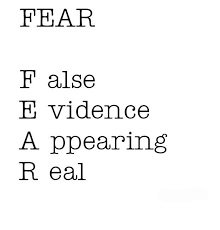
So I encourage you to gradually challenge the fear of panic rather than allowing panic to decide what you can and cannot do. Remember the famous words of Franklin D. Roosevelt: "The only thing we have to fear is fear itself." Fear can keep us from moving forward when we begin organizing our lives around avoiding the things that frighten us. Learning to face that fear, one step at a time, can help you regain confidence and freedom.
What Helps With Panic Attacks?
Now that you understand what a panic attack is, what causes the physical sensations, and why certain situations or thoughts can trigger the panic response, the next step is learning how to respond when it happens. Recovery is not about finding a way to guarantee that you will never experience another panic sensation. It is about learning not to fear the sensations themselves, understanding what your mind and body are doing, and changing the way you respond when panic begins. The more you understand the process, the less frightening it can become.
It is your fear of panic that keeps your panic alive. Educate yourself and realize that a panic attack cannot hurt you. Education is a major factor in recovery. You cannot overcome panic attacks as long as you are afraid of them. You can stop feeding the panic response by facing it for what it is and recognizing that a panic attack is just a panic attack.
Identify What's Going On In Your Life
Try to identify what may be contributing to the stress and anxiety you are experiencing. Sometimes panic develops during periods of ongoing stress, emotional conflict, major life changes, or situations that leave you feeling overwhelmed or out of control. Other times, there may not be an obvious cause at all. You do not have to find one specific reason for every panic attack in order to recover, but understanding the patterns in your life can help you recognize what may be adding to your anxiety.
If you are having a hard time figuring out what may be bothering you, it can help to journal about your thoughts and experiences or use talk therapy to sort things out. Writing down what was happening before a panic episode, what you were thinking and feeling, and what was going on in your life at the time may help you recognize patterns that are difficult to see when everything is happening inside your head.
Use Stress Management Techniques
Learning how to manage the stress in your life can help reduce the overall level of tension and anxiety in your body and may make you less vulnerable to panic. Exercise is one useful way to manage stress because physical activity gives your body an opportunity to use some of the energy produced during the stress response. Regular exercise can also help release muscle tension, improve sleep, and support your overall physical and emotional well-being.
Other stress management techniques can be helpful as well. Relaxation exercises, adequate rest, journaling, breathing exercises, and activities that help you slow down and redirect your attention can all become valuable tools for managing stress. The goal is not to eliminate stress completely, because stress is a normal part of life, but to learn healthier ways of responding to it before it becomes overwhelming.
For more information on things you can do to relieve and manage your stress and anxiety, visit Effective Stress Management Strategies.
Eat Right
Eating a balanced diet can help provide your body with the nutrients it needs to support your physical and emotional well-being. During periods of prolonged stress and anxiety, some people may experience changes in appetite, skip meals, rely more heavily on convenience foods, or simply lose interest in eating. These changes can leave you feeling tired, weak, or less able to cope with the demands of the day.
Try to give your body regular, nourishing meals and pay attention to how different foods and eating patterns affect the way you feel. If your appetite is poor or you are having difficulty maintaining a balanced diet, it may be helpful to speak with a healthcare professional about whether you need additional nutritional support or supplements.
For more information on healthy eating and the relationship between nutrition and mental well-being, visit Diet and Mental Health.
Use Natural Supplements for Stress Relief
If you are having a particularly difficult time coping with the physical symptoms of anxiety and panic, some people find that certain natural supplements may provide additional support. While they cannot eliminate panic or guarantee that your symptoms will disappear, some supplements may help reduce feelings of physical tension or support your overall sense of well-being. Their effects can vary from person to person, and it is important to learn about both their potential benefits and limitations.
It is also important to remember that overcoming panic involves learning that the physical sensations themselves are not something you need to fear. The goal is not to remove every uncomfortable sensation, but to become less frightened by those sensations and learn how to respond to them differently. Natural supplements may be one part of a broader approach to managing anxiety, but they should not become another way of avoiding the feelings you are working to overcome.
Many people are interested in natural approaches to anxiety and panic and prefer to explore these options before considering psychiatric medications. If you would like to learn more about herbs, vitamins, supplements, and other natural approaches, visit Best Natural Medicine for Anxiety.
Fear is Only Fear! Here are the Facts!
Am I going crazy or losing my mind?
Feeling as though you are losing your mind can be one of the most frightening parts of a panic attack. During intense anxiety, your senses may feel heightened, your thoughts may race, and you may experience confusion, derealization, depersonalization, or a feeling that you are no longer in control of yourself. These sensations can make you wonder whether something is seriously wrong with your mind.
However, experiencing these frightening sensations during a panic attack does not mean that you are “going crazy.” Panic can temporarily overwhelm your ability to think clearly and can make your thoughts and surroundings feel very unfamiliar. Understanding that these experiences can occur during intense anxiety can help prevent you from adding a second fear—“Something is happening to my mind”—to the original panic.
Am I having a heart attack or stroke?
A panic attack can produce physical sensations that are frighteningly similar to some symptoms associated with other medical conditions. A racing or pounding heart, chest tightness or discomfort, shortness of breath, dizziness, tingling, numbness, and a feeling that something is terribly wrong can all occur during panic. This is one reason panic attacks can feel so life-threatening.
However, you should never assume that new, severe, unusual, or unexplained symptoms are caused by anxiety. If you are concerned that you may be having a heart attack, stroke, or another medical emergency, seek medical attention. Once a healthcare professional has evaluated you and determined that your symptoms are not being caused by a dangerous medical condition, learning to recognize your familiar panic symptoms can help you respond to them with less fear. If your symptoms change significantly or you develop new concerning symptoms, seek medical evaluation again rather than simply assuming that it is panic.
How long does a panic attack last?
How long a panic attack lasts can vary from person to person. The most intense part of a panic attack often reaches its peak within several minutes and then gradually begins to subside as the body's alarm response settles down. Although the sensations can feel as though they will continue indefinitely, a panic attack does not continue rising forever. The body's fight-or-flight response naturally rises and falls, and the intense physical sensations eventually begin to ease.
It is also common to feel tired, shaken, or anxious for a while after the most intense part of a panic attack has passed. This does not necessarily mean that another attack is beginning. Your body and mind may simply need some time to return to a calmer state. Gentle activity, relaxation, and other healthy stress-management techniques can help you through this recovery period.
Do You Need Medication in Order to Recover From Panic Attacks?
Medication is one possible option for managing panic attacks, but it is not the only path to recovery. Some people are able to overcome panic through education, self-help strategies, lifestyle changes, therapy, and learning to change their response to fear and panic sensations. Others may find that medication, sometimes combined with therapy and self-help, provides valuable support.
There is no single approach that works the same way for everyone. If you are considering medication, talk with a qualified healthcare professional who can help you understand the potential benefits, risks, and alternatives. The important thing to remember is that needing medication does not mean you have failed, and choosing not to use medication does not mean you cannot recover.
Will I Ever Get Better, or Will I Have Panic for the Rest of My Life?
Yes, recovery from panic is possible. You do not have to spend the rest of your life living in fear of panic attacks. When you have been struggling for a long time, it can be difficult to imagine ever feeling differently, especially when every new sensation seems to confirm that the panic will never end. But the way you feel today does not have to be the way you feel forever.
Be patient with yourself and never give up on your recovery. Learning to understand panic, face the sensations you fear, change the way you respond to anxious thoughts, and gradually return to activities you have been avoiding takes practice. There may be setbacks along the way, and a difficult day does not mean that you have lost your progress.
You have an important role in your recovery. Although you cannot control every thought, sensation, or circumstance that comes your way, you can learn to control how you respond to them. Every time you learn something new about panic, challenge a fearful thought, or face something you have been avoiding, you are teaching your brain that you are capable of handling the experience. The power to recover begins with learning that you are not powerless against panic.
How Long Does It Take to Recover From Panic Attacks?
The truth is that everyone is different. Some people begin to feel better relatively quickly, while others may need months or even years to make significant progress. There is no exact timetable for recovery, and comparing your progress with someone else's can create even more frustration and anxiety.
Your willingness to learn about panic, practice new ways of responding to fear, and gradually face the things you have been avoiding can play an important role in your recovery. At the same time, many other factors can affect how quickly someone improves, including how long they have been struggling, how severe their symptoms are, the amount of stress in their life, and the support available to them.
One thing you cannot do is rush recovery. Give yourself permission to learn at your own pace and recognize that progress does not always happen in a straight line. You may have good days and difficult days along the way. A setback does not erase the progress you have already made. Keep learning, keep practicing, and give yourself the same patience and compassion you would give to someone else who was learning how to overcome fear.
Are Panic Attacks Dangerous?
For most people, a panic attack itself is not dangerous. The sensations can be extremely intense and frightening, but the racing heartbeat, trembling, dizziness, rapid breathing, sweating, and other symptoms are part of the body's natural alarm response. Understanding this can help you stop interpreting every frightening sensation as evidence that something terrible is happening.
However, living with ongoing anxiety and high levels of stress can take a toll on your overall well-being. Prolonged stress can affect sleep, energy, mood, concentration, appetite, muscle tension, and many other aspects of daily life. This is one reason it is important to take care of yourself and work toward managing the anxiety rather than simply learning to live with constant distress.
Remember that not every physical symptom is caused by anxiety. If you experience new, severe, unusual, or unexplained symptoms, it is important to have them evaluated by a healthcare professional. Once you know that your symptoms are related to panic and anxiety, however, understanding the body's alarm response can help you face those sensations with much less fear.
Can You Stop a Panic Attack?
Yes! You can learn to interrupt the panic cycle and become much better at responding when a panic attack begins. It may take some trial and error to discover which techniques work best for you, and learning these skills takes practice. As you become more familiar with your symptoms and less frightened by the sensations, you may be able to recognize the early signs of panic and respond before the fear has a chance to build into a full-blown attack.
The key is not to fight desperately against every sensation or demand that the panic disappear immediately. Instead, learn to recognize what is happening, remind yourself that the sensations are part of the body's alarm response, and resist adding more fear to the experience. The less afraid you become of panic itself, the less fuel you give the panic cycle. With practice, what once felt completely overwhelming can become something you understand and know how to handle.
Why Do They Seem to Happen Out of the Blue and Without Warning?
Most of the time, we are so busy that we do not pay attention to what is going on inside of us. We may ignore the signs of stress, push ourselves beyond what we should on a daily basis, or simply become so accustomed to feeling anxious that we no longer recognize how much tension we are carrying. Over time, accumulated stress and anxiety can make the body more sensitive to the sensations associated with panic. A panic attack may then seem to come completely out of the blue, even though there may have been subtle physical sensations, thoughts, emotions, or stress building beforehand that you did not notice.
The answer is to become more in-tune with your thoughts, feelings, and physical sensations, and to realize that sometimes we need to slow down and be good to our bodies. We all need time to recuperate every day. Learning to recognize the early signs of stress can help you respond before anxiety becomes overwhelming. Do not ignore the signs of stress in your life.
Is My Panic Worse Than Others and Beyond Help?
No. It is not uncommon to believe that your panic is somehow different, worse than everyone else's, or beyond help. When panic has been severe or persistent for a long time, it can be easy to believe that other people could never understand what you are experiencing or that you are somehow the exception who cannot recover. But panic can be stubborn and persistent, and the fact that it feels overwhelming does not mean that you are beyond help or incapable of recovering.
It can sometimes take a long time to convince yourself of these truths, especially when your physical sensations and fears feel completely real. This is where learning how to talk to yourself becomes so important. Do not give up. Tell yourself the truth, even when you do not feel it yet. With practice, you can teach your mind to respond differently to panic, and what once seemed impossible can gradually become manageable.
How To Stop Panic Attacks!
It is through facing your panic sensations and gradually working through them that you can learn to stop being afraid of panic. When I first heard this, I thought for sure that there had to be an easier way, a quicker way, a less threatening way. Boy was I wrong! I read many books and they all seemed to say the same thing. The only way through a panic disorder was to work through it. I had to put myself in situations that provoked those panic sensations. It definitely was not easy, and I definitely did not do it without the necessary skills! Anyone can face panic and survive, but simply enduring a panic attack is not what I am talking about. Learning skills such as breathing exercises, positive and truthful thinking, and using the Effective Stress Management Strategies can help you manage the fear and anxiety that accompany panic. These skills become tools that help you face what you fear rather than automatically running from it. Facing panic might be very difficult for you, especially if you suffer from agoraphobia, but once you begin facing those feelings while practicing the skills you have learned, you can begin making real progress toward recovery and healing. Repetition, persistence, patience, and a willingness to keep practicing are important parts of recovery.
Although panic attacks can feel as if they are caused by something outside of you, the panic response actually begins within your own body. I know it is hard to believe that your own body's alarm system can create such powerful sensations. It was also very hard for me to believe that there wasn't something else causing my panic. I spent many hours researching my symptoms and went to countless doctors, only to find that my medical evaluations did not reveal a physical cause for what I was experiencing. Convincing myself was one of the hardest things to do! Convincing myself that I had to trust the medical information I had received and believe what others who had previously recovered were telling me was true was incredibly difficult. It was a matter of putting my trust in something I could not yet see for myself and trusting someone who had been there and made it to the other side to show me the way to recovery. There is much to be said about having the encouragement and support of someone who has been there personally and understands. If you have been medically evaluated and other physical causes for your symptoms have been ruled out, and you have been diagnosed with panic attacks or anxiety, then you must know you are not alone. I have been there myself and know how frightening it feels. It is scary not to understand what is causing an attack. It can leave you feeling like a victim of something you cannot control. Who wouldn't feel afraid after an experience like that?
Panic can happen when people who are already experiencing anxiety become frightened by their own anxiety symptoms. When the negative effects of stress and anxiety are experienced, they can be extremely scary. There is a tendency to add a second fear—the big "what if?" When the mind does not recognize these physical sensations as part of the body's normal stress response, it may search for another explanation, thinking it must be something else or something much more serious. This can lead to repeatedly checking your body, searching for answers, and becoming increasingly focused on every sensation. The fear of the symptoms can then become part of what keeps the panic cycle going.
To stop being afraid of panic, you must learn to challenge the fear of panic itself. How do you do this? You do it by learning to recognize your symptoms and understanding that they follow a pattern. A panic attack rises, reaches a peak, and then begins to subside. People with panic are often waiting for something worse to happen, but the feared catastrophe usually does not occur. When you begin to recognize the familiar pattern of a panic attack, it becomes more predictable, and when something becomes predictable, it can become less frightening. As you lose your fear of the sensations, the panic cycle can gradually lose its power. Fearing your symptoms can keep panic alive, while learning to face and accept them can help weaken that fear. If you want to overcome panic, you will need to gradually practice doing the things that panic has taught you to fear. As quickly as panic can rise, it can also begin to come back down.
For example, panic may begin with a sudden awareness that something is wrong. You may get a feeling of dread or a feeling that something terrible is about to happen, followed by anxiety and physical panic symptoms. Your heart may begin to race, you may tremble or sweat, or you may experience frightening thoughts. These sensations can activate the fight-or-flight response and create a powerful urge to run away or find somewhere you feel safe. Whether you leave the situation or remain where you are, the physical symptoms eventually reach a peak and begin to settle down. What is left may be a feeling of nervous exhaustion. The routine of a panic attack can be a little like contractions during labor: they come, they peak, and they taper off. The cycle may last longer at some times than others or feel more intense on one occasion than another, but the panic response eventually subsides.
The answer to this horrible cycle is to gradually face the panic, accept the feelings you are experiencing, and practice not automatically running from them. Allow the sensations to rise and fall while reminding yourself of what you have learned. The more you do this while telling yourself the truth, the less afraid of panic you can become. Although panic can feel horrible, the panic response itself is not generally dangerous. However, it is important not to automatically assume that every new or unusual physical symptom is caused by panic. If you have not been medically evaluated, or if you experience new, severe, or unusual symptoms, seek appropriate medical care.
Once you have a good understanding of the cognitive skills you are using, you can begin applying them while gradually challenging situations that have become associated with panic. This is where the cognitive and behavioral sides of recovery work together: you learn to change the fearful interpretation of the sensations while also practicing a different response to the situations you have been avoiding. Recovery takes repetition. You may need to practice the same skill many times before your brain begins to recognize that the situation is not as dangerous as it once believed.
The time it takes to overcome panic can be different for everyone. Some people make progress relatively quickly, while others need much more time and practice. It is important not to compare your recovery with someone else's. Repetition is very important! Read, learn, practice, and give yourself time to become convinced through your own experience that you can handle these sensations. If I could learn to stop being afraid of panic, you can learn too. With the right information, useful skills, patience, and persistent practice, you can make meaningful progress toward recovery.
Riptides and Panic Attacks
Believe it or not, riptides and panic attacks have a lot in common. As different as they both are, there are some important similarities that can help you understand how to deal with a panic attack more effectively.
What is a rip current? A rip current is a powerful channel of water that flows away from the shoreline. These currents can be surprisingly strong and can carry a swimmer away from the area where they entered the water. When people realize they are being carried away from shore, their natural reaction may be to panic and try to swim directly against the current. Unfortunately, fighting the current can quickly lead to exhaustion.
If you were swimming in the ocean and found yourself caught in a rip current, you might initially feel frightened as the water carried you away from the shore. Many people automatically try to swim directly against the current, but this can be a dangerous mistake because the current may be stronger than the swimmer. The harder a frightened swimmer struggles against the current, the more quickly they can become exhausted. Staying calm and using the right response is much more effective than fighting the water with all of your strength.
If you ever find yourself caught in a rip current, the safest response is to stay calm and avoid trying to swim directly against the current. If you are able, float or tread water to conserve your energy and swim parallel to the shoreline until you are out of the strongest part of the current. Once you are free of the current, you can make your way back toward shore. If you are unable to swim out of the current, remain calm, conserve your energy, and signal for help.
It is also important to understand that rip currents can become more likely or stronger under certain surf and weather conditions. Knowing how to respond before you enter the water can make a frightening situation much easier to manage.
Okay, so what does this have to do with panic?
Just like a rip current, panic can create a powerful sensation that you need to fight your way out of the situation immediately. The natural reaction may be to tense your body, desperately try to stop the sensations, escape the situation, or search for a way to make the feelings disappear. Unfortunately, fighting against the sensations can create even more fear and distress.
This is where the idea of floating can become useful. When I say "float," I do not mean that you simply give up or do nothing. I mean allowing the sensations to be there without fighting them while reminding yourself of what you have learned. Instead of telling yourself, "I have to make this stop right now," you can begin telling yourself the truth: "This is panic. I know what these sensations are. I do not have to be afraid of them. They will rise, peak, and eventually come back down."
By fighting against a panic attack, you can exhaust yourself and increase your anxiety and distress. But unlike being caught in a rip current, you are not going to drown while standing in line, driving in traffic, riding in an elevator, or sitting in a dentist's office. That is great news!
Just as a rip current has limits to how long and how strongly it can carry you, a panic response also has limits. The sensations may become very intense, but the body's alarm response eventually begins to settle. As long as you respond in a way that does not add more fear to the experience, you can learn that you are capable of riding out the sensations.
Learning How To Talk To Yourself is an important part of this process. Instead of fighting every sensation and asking, "What if something terrible happens?" you can remind yourself of what you already know. Each time you experience panic and respond without adding another layer of fear, you are teaching your brain something new.
And of course, just as rip currents can become more likely or stronger during rough surf and difficult weather conditions, anxiety and panic can become more common during the rough "storms" of our lives. Prolonged stress caused by sickness, the death of a loved one, divorce, financial difficulties, major changes, and other stressful life events can place a tremendous burden on the mind and body.
During times of great stress and anxiety, it is especially important to take good care of yourself. Effective Stress Management Strategies can be extremely helpful during these times. Taking care of yourself is an important part of learning how to manage stress and support your recovery.
So the next time you are facing panic, think of it as a rip current. Remember that there are things you can do to make the experience easier on yourself. Each time you practice these skills, you are teaching yourself not to fear your feelings. You are also building confidence in yourself for the next time. Most importantly, remind yourself that as distressing as panic feels, you are not going to drown. Just FLOAT!
Continue Your Recovery
Understanding panic is an important part of recovery, but learning what to do with that knowledge is just as important. The following resources can help you continue building the skills you need to manage anxiety, challenge fearful thoughts, face avoidance, and regain confidence in yourself.
- How To Talk To Yourself — Learn how to replace frightening thoughts with truthful, encouraging self-talk.
- Effective Stress Management Strategies — Learn practical ways to manage stress and reduce the strain that can contribute to anxiety and panic.
- How To Build Self-Confidence — Build confidence in your ability to face difficult situations and cope with anxious feelings.
- Understanding Agoraphobia — If fear of panic has caused you to avoid places, activities, or situations, learn more about agoraphobia and how avoidance can gradually make your world feel smaller.
- Continue Through the Recovery Steps — Explore the complete step-by-step approach to anxiety recovery.
Recovery takes practice. You do not have to master everything at once. Choose one skill, practice it, and gradually build from there.
🌿 Share the Hope
If this article encouraged you, please consider sharing it with a friend, family member, or anyone who may be struggling today. Sometimes a single article can be the reminder someone needs that they are not alone.
Guided Steps to Recovery
Natural Supplements
Stress and anxiety can sometimes lead people to search for quick ways to feel better. Natural options such as herbs, vitamins, and supplements are one choice some people explore as part of a healthier approach to managing symptoms. Developing positive coping strategies can help reduce the temptation to rely on unhealthy habits, including alcohol or other substances.