What To Do For Insomnia
When you are suffering from stress and anxiety, it is not uncommon to also struggle with insomnia. Sleep difficulties are a common complaint among people with anxiety disorders, and persistent problems with sleep can leave you feeling mentally and physically exhausted. Lack of restful sleep can also make it more difficult to cope with anxiety and may contribute to increased stress, panic attacks, and low mood.
Anxiety sufferers often worry and ruminate about their many concerns while lying in bed, leading to tossing and turning and making it difficult to fall asleep. Thoughts about the day, worries about the future, and even fears about how they will cope if they cannot fall asleep can keep the mind active. Then, when sleep does not come easily, frustration begins to build. Worrying about being unable to sleep can become another source of anxiety, creating a vicious cycle that makes falling asleep even more difficult.
When this pattern continues for an extended period, a person can develop negative patterns of thinking about sleep and become increasingly preoccupied with the inability to sleep. Instead of simply going to bed and allowing sleep to come naturally, they may begin watching the clock, worrying about how many hours of sleep remain, and anticipating another difficult night. This growing fear and frustration can reinforce the insomnia cycle.
Although insomnia can be associated with anxiety, poor sleep can also make stress and anxiety more difficult to manage. Lack of sleep affects mood, concentration, mental focus, and emotional well-being. When sleep deprivation continues over a prolonged period, it can also affect physical health. Many people find themselves caught in an ongoing battle with the Zzzz's—a repetitive cycle of poor sleep, exhaustion, worry, and more difficulty sleeping that can continue for months or even years.
On This Page
Can Insomnia Be Overcome?
Yes. Insomnia does not have to be something you struggle with forever, and a difficult period of sleep does not mean you are destined to have sleeping problems for the rest of your life. Many people find that their sleep improves as they learn to manage stress and anxiety, change unhelpful sleep patterns, and stop allowing the fear of not sleeping to become another source of anxiety.
It is also important to remember that one bad night of sleep does not mean you will be unable to function the next day. Even when you sleep very little or have a particularly restless night, your body and mind are often capable of doing much more than you may expect. You may feel tired, irritable, or less focused, but you can still get through the day. Reminding yourself of this can take some of the pressure off when you are lying awake at night.
The more you fear the consequences of not sleeping, the more you may watch the clock, worry about how tired you will be tomorrow, and desperately try to make yourself fall asleep. Unfortunately, this struggle can keep your mind alert when what you need is to relax. Learning to let go of some of this fear and accepting that an occasional poor night of sleep is not a disaster can be an important part of breaking the cycle.
Improving your sleep may take time, particularly when anxiety has been interfering with it for a long time. Be patient with yourself. The goal is not to force sleep, but to create the conditions that allow your body and mind to rest and to gradually develop healthier patterns around sleep.
What Does Your Struggle With Insomnia Look Like?
Maybe you can identify with the frustration that comes when you just cannot sleep. Many people struggle with insomnia for years, sometimes even before anxiety becomes a significant problem in their lives. It can be difficult to understand why sleep has become such a struggle. After all, most of us are genuinely tired—sometimes downright exhausted!
We spend countless nights tossing and turning, wondering why we cannot fall asleep. We watch the clock and wonder when sleep will finally come, becoming increasingly frustrated and sometimes downright angry. At times, we might even feel like using our pillow as a punching bag! We blame the ticking clock, the snoring spouse, or even the light from the moon shining through the cracks in the window shades. Sometimes it is the racing heart and palpitations that come with anxiety that keep the body from fully relaxing. To be honest, it doesn't always matter what the disturbance is. If it has captured our full attention, we become convinced that it must be the reason for our distress.
Maybe we make frequent trips to the kitchen for that magical glass of milk. After all, we have been told that milk is supposed to help us sleep, right? More often than not, the trip to the kitchen doesn't solve the problem. If anything, it may simply interrupt the tossing and turning and give us a brief change of scenery before returning to bed.
Then we become aggravated and upset, wondering how we are going to accomplish everything expected of us the next day. Many of us begin to believe that getting a good night's sleep is absolutely necessary if we are going to have a productive and stress-free day. Yet, even after a night of very little sleep, we often get up and press on. We make it through the day, all the while anticipating getting back into bed that night—only to begin the cycle all over again.
It can take a long time to understand some very important things about insomnia. One of the most important is that our intense concern about sleep can actually become part of the problem. Yes, that's right! We can care so much about getting to sleep that we become more frustrated, frightened, and angry when it doesn't happen.
We begin analyzing everything: How many hours have I slept? How long have I been awake? What time is it? Why can't I sleep? How am I going to function tomorrow? What if this happens again tonight? The more attention we give these thoughts, the more important sleep can begin to feel—and the more difficult it may become to simply relax and allow sleep to come naturally.
Learning to recognize this cycle is an important step toward changing it. We cannot always control when sleep comes, but we can learn to stop turning a difficult night into a frightening event. Sometimes, accepting that we may not sleep perfectly—and reminding ourselves that we can still get through tomorrow—can take away some of the pressure that keeps the cycle going.
What Does Your Self-Talk Sound Like When You Can't Sleep?
If you pay close attention, you may begin to notice how much your own self-talk is keeping your mind active at night. Some people naturally fall asleep quickly, while others need more time. It is important not to compare yourself with other people or assume that something is wrong with you simply because you do not fall asleep as quickly as someone else.
When we cannot sleep, the mind can become very busy. We may replay everything that happened during the day, trying to figure out what went wrong or what we could have done differently. We may think about an argument, something embarrassing we said, a mistake we made at work, or something we wish we had handled differently. We may worry about something that needs to be done tomorrow, make mental lists, plan conversations, solve problems that cannot actually be solved in the middle of the night, or wonder how we are going to cope with everything if we do not get enough sleep.
Then there are the thoughts about sleep itself:
- Why can't I fall asleep?
- What is wrong with me?
- What time is it now?
- How many hours do I have left before I have to get up?
- What if I don't sleep at all tonight?
- How am I going to function tomorrow?
- What if this happens again tomorrow night?
- Why can't I just fall asleep like everyone else?
- I have to get to sleep right now.
- If I don't sleep, tomorrow is going to be terrible.
These thoughts can seem perfectly reasonable when you are lying awake at two or three in the morning. But notice what they have in common: they keep your attention focused on the very thing you are desperately trying to escape—your inability to sleep.
The more you monitor your sleep, watch the clock, analyze how you feel, and worry about the consequences of being awake, the more important and threatening sleep can begin to feel. Your mind becomes alert and your body becomes tense, while you are simultaneously telling yourself that you must relax and fall asleep. This can create another vicious cycle.
Begin to change how you talk to yourself at night. Instead of beating yourself up with negative thoughts about not sleeping, practice responding to those thoughts with calm, reassuring statements. You are not trying to lie to yourself or pretend that you are not tired. You are reminding yourself that you are safe, that you can handle tomorrow, and that you do not have to force sleep to happen.
Your new self-talk might sound something like this:
- I don't have to force myself to sleep.
- It is okay if I don't fall asleep right away.
- I have gotten through tired days before, and I can do it again.
- Even if I am tired tomorrow, I will still be able to function.
- I don't need to know exactly when I will fall asleep.
- I can let my body rest even if I am not sleeping yet.
- I don't have to solve today's problems tonight.
- Tomorrow is tomorrow. I can deal with it when it gets here.
- I can let these thoughts pass without figuring everything out.
- My body knows how to sleep.
- I will allow sleep to come when it is ready.
- I will be okay.
Repeat these thoughts night after night. Repetition is important because you are learning a new way of responding to the thoughts and sensations that have become associated with being awake. It may take some time before this new habit begins to feel natural. At first, you may repeat these statements while still feeling frustrated, worried, or wide awake. That is okay. You are practicing a new response, not trying to produce an instant result.
Most importantly, do not turn your new self-talk into another test that you must pass. You are not saying these things to yourself so that you can force yourself to fall asleep. You are saying them because they are healthier and more realistic ways of responding to a difficult night.
Over time, you may begin to notice that you are less frightened by being awake. You may stop checking the clock so often. You may spend less time analyzing why you cannot sleep. You may discover that you can lie quietly without fighting with yourself or desperately trying to make sleep happen. And when the fear and struggle surrounding sleep begin to decrease, sleep can become less of a battle.
Acceptance is a major key to overcoming your struggle with insomnia. Acceptance does not mean that you have to enjoy being awake or that you should give up on improving your sleep. It simply means recognizing that you cannot force sleep—and learning that you can be okay even when sleep does not come as quickly as you would like.
Helpful Tips For When You Can't Sleep
Of course, there may be other factors affecting your ability to sleep. Below are some things you might consider. You may not need to make every change at once. Try different approaches and pay attention to what helps you feel more relaxed and comfortable at night.
Consider Your Diet
Following a healthy, balanced diet can support your overall health and may also support better sleep. For more information about how nutrition can affect your mental and emotional well-being, see our page on diet and mental health.
There is also research looking at particular foods and beverages and their possible relationship with sleep. Consider including nutritious foods such as the following as part of a healthy diet:
- Kiwi - Effect of Kiwi-fruit Consumption on Sleep Quality in Adults with Sleep Problems. In this small study, people who ate two kiwis before bedtime experienced improvements in sleep onset, total sleep time, and sleep efficiency.
- Tart Cherries and Tart Cherry Juice - Pilot Study of the Tart Cherry Juice for the Treatment of Insomnia and Investigation of Mechanisms. This small study found that tart cherry juice was associated with increased sleep time and sleep efficiency. More research is needed to determine how consistently tart cherries may benefit sleep.
- Malted Milk and Nighttime Milk - Sleep after a Bedtime Beverage. This study found some improvement in nighttime restlessness following a bedtime beverage containing malted milk. You can also read Effect of milk-honey mixture on the sleep quality of coronary patients: A clinical trial study. Research on nighttime milk and sleep is interesting, but much more evidence is needed before milk can be considered a reliable treatment for insomnia.
- Fatty Fish - Fish consumption, sleep, daily functioning, and heart rate variability. This study found an association between fish consumption and several measures of sleep and daily functioning. Fatty fish are also a nutritious source of protein and omega-3 fatty acids.
- Nuts, Especially Walnuts - Melatonin in walnuts: Influence on levels of melatonin and total antioxidant capacity of blood. Walnuts contain melatonin, although the presence of melatonin in a food does not necessarily mean that eating the food will treat insomnia. You can also read The effect of melatonin, magnesium, and zinc on primary insomnia in long-term care facility residents in Italy for research involving these nutrients and sleep.
- Rice - Associations between rice, noodle, and bread intake and sleep quality in Japanese men and women. This observational study found associations between rice consumption and sleep quality among Japanese adults. Because this type of study cannot establish cause and effect, it is best viewed as an interesting association rather than proof that eating rice will improve insomnia.
- Herbal Teas, Such as Chamomile and Passion Flower - Chamomile: A herbal medicine of the past with bright future. Chamomile has traditionally been used for relaxation and sleep. You can also read The effects of chamomile extract on sleep quality among elderly people and Effects of an intervention with drinking chamomile tea on sleep quality and depression in sleep disturbed postnatal women. Passion flower has also been studied for its possible effects on sleep quality. See A double-blind, placebo-controlled investigation of the effects of Passiflora incarnata (passionflower) herbal tea on subjective sleep quality. While herbal teas may be relaxing for some people, they should not be considered a guaranteed treatment for insomnia.
Remove Caffeine From Your Diet
Caffeine can interfere with sleep, particularly in people who are sensitive to its effects. If you are struggling with insomnia, consider limiting or avoiding caffeine from coffee, tea, soda, energy drinks, and other sources, especially later in the day. People who are stressed, anxious, or experiencing panic attacks may be particularly aware of the stimulating effects of caffeine. It is also worth paying attention to what you eat and drink in the hours before bedtime. Large meals, highly sugary foods, or anything that causes discomfort may make it more difficult for you to settle down for the night.
Exercise Daily
There are many benefits to regular exercise, including benefits for stress management and sleep. Exercise can help reduce stress and provide a healthy outlet for the physical tension and excess energy that often accompany anxiety. Aim for regular physical activity that is appropriate for your fitness level. Whether you prefer aerobic exercise, walking, strength training, or another form of movement, consistency is more important than choosing one particular type of exercise.
Regular physical activity may also help support a healthier sleep pattern. Exercise can help reduce physical tension and make it easier to relax when the day is over. If exercising close to bedtime seems to make you feel more alert, try moving your workout earlier in the day and see whether that makes a difference.
Relaxation Therapy
Before bed, do something that helps relax your physical body and quiet your mind. A warm bath, reading a relaxing book, or working on your personal journal may help you begin winding down. You can also try visualization exercises, progressive muscle relaxation, or isometric exercises as part of your relaxation routine.
Practice Breathing Exercises Regularly
Taking time each day to practice your breathing exercises can be a useful way to practice relaxation and manage stress. Regular practice may make it easier to use these techniques when you are feeling tense or anxious at bedtime.
One breathing technique you can try at bedtime is called cyclic sighing. This technique uses two gentle inhalations followed by one long, slow exhalation. The extended exhalation is designed to help reduce physical tension and encourage the body to move toward a calmer state. Research on cyclic sighing found that practicing it for about five minutes a day reduced anxiety and improved mood, and newer research on slow breathing before bedtime suggests that slow, controlled breathing may also help improve perceived sleep quality and sleep duration.
To practice cyclic sighing:
- Take a slow, comfortable breath in through your nose.
- When your lungs are comfortably full, take a second, smaller breath in through your nose.
- Slowly exhale through your mouth until you have comfortably emptied your lungs.
- Repeat the cycle for about five minutes, keeping the breathing gentle rather than forcing large breaths.
You do not need to force yourself to become sleepy while doing this exercise. The purpose is to give your body a chance to slow down and your mind an opportunity to let go of some of the tension that can build when you are lying awake. Think of it as a way of practicing relaxation rather than another test you have to pass in order to fall asleep.
As you practice, allow your breathing to become slow and comfortable. If you become lightheaded or uncomfortable, return to normal breathing and stop the exercise.
Avoid Alcohol
Some people use alcohol as a nightcap because it initially makes them feel relaxed or sleepy. However, alcohol can interfere with normal sleep patterns and may cause more nighttime awakenings and poorer-quality sleep as its effects wear off. If you are struggling with insomnia, using alcohol as a sleep aid can ultimately make the problem worse. Alcohol and depression do not mix well, and alcohol can also make anxiety more difficult to manage.
Consider Sound Therapy
Many people use sound to help create a relaxing sleep environment. Relaxation music and sounds such as white noise, rainfall, crickets, or ocean sounds can provide soothing background noise. Some people even use a circulating fan throughout the night because the consistent sound helps them relax or masks other noises.
There are also many sound machines available that are small and portable, which can be useful when traveling. Sound Therapy for Stress and Anxiety offers several options to consider.
Create a Sleep Schedule
By setting relatively regular times for going to bed and waking up, you can help establish a consistent sleep routine. Over time, your body can become accustomed to a regular schedule, making it easier to recognize when it is time to wind down and when it is time to get up.
Shut Off the Electronics
Consider turning off televisions, phones, tablets, and computers before bedtime and giving yourself some time to wind down without screens. Instead of electronics, consider reading a book, listening to relaxing sounds, or practicing one of your relaxation exercises.
Avoid Long or Late Naps During the Day
Short naps can be helpful for some people, but long or late-afternoon naps may make it harder to fall asleep at night. If you are struggling with insomnia, experiment with limiting naps and see whether your nighttime sleep improves.
Journaling Before Bed
Taking time to write out your worries can be a useful exercise for getting thoughts out of your head and onto paper. Journaling your thoughts, concerns, and ideas before bed may help you put them aside until the morning rather than continuing to mentally work through them while you are trying to sleep.
Create the Ideal Sleeping Environment
Make sure your bedroom is comfortable, dark, and quiet, and fill your space with things that help you feel peaceful and relaxed. Some people find earplugs, light-blocking curtains, comfortable bedding, or a soft blanket helpful. The goal is to create an environment that signals to your mind and body that it is time to wind down and rest.
Is There a Best Medication for Insomnia?
There is no single medication that is considered the best choice for everyone with insomnia. The right approach depends on what is causing the sleep problem, how long it has been occurring, and a person's individual health and circumstances. If insomnia is persistent or interfering significantly with daily life, it is important to discuss it with a doctor or other qualified healthcare professional.
Some medications can be helpful for certain people, but sleep medications are not without potential drawbacks. Depending on the medication, there may be concerns about side effects, tolerance, dependence, interactions with other medications, or difficulty stopping the medication after regular use. This is one reason it is important not to begin or stop a prescription sleep medication without discussing it with a healthcare professional.
For people whose insomnia is closely connected to stress and anxiety, it can also be helpful to address the underlying patterns that are keeping the mind and body on alert. Relaxation techniques, regular exercise, healthy sleep habits, reducing caffeine and alcohol, journaling, and learning to change anxious thoughts about sleep can all be valuable parts of a comprehensive approach.
Natural approaches may also be helpful for some people, but natural does not automatically mean safe or appropriate for everyone. Herbs and supplements can have side effects and may interact with medications or other health conditions. They should be considered carefully rather than assumed to be risk-free.
The goal is not simply to find something that makes you unconscious at bedtime. The goal is to understand what is interfering with your sleep and gradually develop healthier patterns that allow your body and mind to rest. For anxiety-related insomnia in particular, learning to reduce the fear and frustration surrounding sleep can be an important part of breaking the cycle.
Can You Become Psychologically Dependent on Sleep Medication?
It is possible for a person to become psychologically reliant on a medication or sleep aid, particularly when they begin to believe that they cannot fall asleep without it. This can happen even when the medication is being used exactly as directed. The concern may gradually shift from "I hope I sleep tonight" to "I cannot sleep unless I take my medication." That fear can become another source of anxiety at bedtime.
It is important to understand that psychological reliance and physical dependence are not necessarily the same thing. Some medications can cause physical dependence or withdrawal symptoms, while others have different risks. If you have been taking a prescription sleep medication regularly, do not stop it suddenly without speaking with your healthcare professional.
For someone already struggling with anxiety, the belief that sleep is impossible without a pill can become part of the same cycle we have discussed throughout this page. The more frightened we become about not sleeping, the more pressure we put on ourselves to fall asleep. Learning that you can tolerate a difficult night, that you can function even when you are tired, and that your body is capable of sleeping without having to force it can gradually reduce some of that fear.
This does not mean that everyone should avoid medication or that medication is wrong for people who need it. Some people benefit from medication as part of their treatment. The important thing is to work with a qualified healthcare professional and to avoid turning the medication itself into another source of fear or dependence.
Are There Any Natural Supplements for Insomnia?
When you are struggling with insomnia, it is natural to wonder if there is something you can try at home to help you sleep. There are a number of natural supplements that people commonly use for sleep, including vitamins, minerals, amino acids, herbs, and other natural substances. Some of these have been studied for their potential ability to support relaxation, improve sleep quality, or help regulate the body's natural sleep-wake cycle.
These supplements are not miracle cures, and they will not necessarily work for everyone. However, they are options that some people find helpful, particularly when combined with healthy sleep habits and the stress-management techniques discussed throughout this page. The important thing is to understand what you are taking, what the research says, and whether a particular supplement is appropriate for you. If you take medications or have a medical condition, it is a good idea to check with your healthcare professional before starting a new supplement.
What Supplements Are Often Used for Sleep?
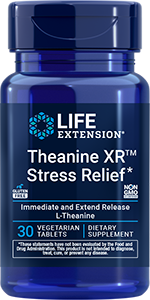
- L-Theanine - L-theanine is an amino acid naturally found in tea leaves and is commonly used as a supplement for relaxation and sleep. Research suggests that L-theanine may help improve sleep quality and reduce the time it takes to fall asleep. A 2025 systematic review and meta-analysis found modest improvements in subjective sleep onset, daytime functioning, and overall sleep quality, although more research is needed to determine the most effective dose and duration of use.
- Melatonin - Melatonin is a hormone that is highly correlated with the body’s sleep-wake cycle. Low melatonin levels have been linked to insomnia in the elderly and supplementation may help improve sleep.
- L-tryptophan - L-tryptophan is a precursor to melatonin and serotonin. Supplementation with L-tryptophan may increase melatonin production to aid sleep and may help alleviate some forms of depression.
- Magnesium - Magnesium helps regulate the body’s circadian rhythm. A study showed supplementation with magnesium, zinc, and melatonin improved sleep in elderly subjects.
- Zinc - Higher zinc levels in the body may be correlated with longer periods of sleep. Oral administration of zinc can improve sleep quality and duration.
- Valerian - Valerian is a sedative herb that has been used since ancient times to treat insomnia. A study comparing valerian supplementation to a commonly prescribed tranquilizer found comparable efficacy.
- Ashwagandha - Ashwagandha is an herb shown in several animal models to reduce stress and anxiety and improve sleep. Human trials indicate ashwagandha may improve stress and anxiety scores, but further research is needed.
- Lemon balm - Lemon balm has been shown to improve mood and feelings of calmness. Lemon balm, alone or in combination with valerian, may also improve sleep and symptoms of insomnia.
- Lavender - Aromatherapy with lavender essential oil may improve sleep quality and reduce feelings of drowsiness after waking. Other natural interventions that may improve sleep include honokiol, glycine, chamomile, passion flower, and bioactive milk peptides.
Additional Resources
End Your Sleep Deprivation - Dr. Dement, the father of sleep medicine, and the students of Stanford Sleep and Dreams, share their knowledge so you can sleep healthily and live alertly. Empower yourself by learning about the science of sleep to live life at your highest potential.
🌿 Share the Hope
If this article encouraged you, please consider sharing it with a friend, family member, or anyone who may be struggling today. Sometimes a single article can be the reminder someone needs that they are not alone.
Guided Steps to Recovery
Natural Supplements
Stress and anxiety can sometimes lead people to search for quick ways to feel better. Natural options such as herbs, vitamins, and supplements are one choice some people explore as part of a healthier approach to managing symptoms. Developing positive coping strategies can help reduce the temptation to rely on unhealthy habits, including alcohol or other substances.