Holiday Stress Management Tips for Surviving the Season
Holiday stress is common and, for many people, almost inevitable. Whether you're planning the perfect dinner party, shopping for gifts, traveling, or getting ready to spend time with family and friends, the pressure of the season can quickly become overwhelming. Between decorating, cleaning, cooking, wrapping presents, attending gatherings, and trying to make everything "just right," it's easy to lose sight of what the holidays are truly about.
What should be a joyful season filled with meaningful memories can instead become a time of stress, worry, and even holiday anxiety. Left unchecked, that stress can steal your peace and prevent you from enjoying the people and moments that matter most. The good news is that it doesn't have to be that way. By making a few intentional choices and adjusting your expectations, you can reduce holiday stress, protect your well-being, and enjoy a calmer, more meaningful holiday season.
Helpful Tips for Holiday Stress Management
The holidays don't have to leave you feeling exhausted, overwhelmed, or anxious. While you can't control everything that happens during the season, you can control how you prepare, how you respond to stressful situations, and how well you take care of yourself. The following holiday stress management tips can help you reduce unnecessary pressure and enjoy a more peaceful, meaningful holiday season.
- Plan Ahead - One of the best ways to reduce holiday stress is to start planning early. There is nothing worse than feeling rushed because everything has been left until the last minute. Whether you're shopping, decorating, traveling, cooking, or hosting family and friends, breaking larger tasks into smaller ones over several weeks can greatly reduce stress and help you enjoy the season instead of simply trying to survive it.
- Stay Within Budget - The last thing you need during the holidays is financial pressure. Give yourself an allowance for holiday spending and stay within your budget. Nobody looks forward to "play now, pay later!" If you stay within budget, you'll have less stress after the holidays because you won't be carrying unnecessary debt into the new year. Remember, the holidays are not about money. Real love is unconditional and comes from the heart. Of course, we all want to do nice things for those we love, but money can't buy meaningful relationships. A thoughtful gift, a handwritten card, or simply spending quality time together often means far more than an expensive purchase. As the old saying goes, "The best things in life are free."
- Do Not Overload Yourself - Be realistic about what you can handle. Planning holiday events and gatherings takes time, energy, and effort. Consider your schedule, your budget, and how you want to feel when everything is over. Remember that every invitation is not an obligation. It's okay to set healthy limits, protect your time, and leave room to rest and enjoy quiet moments with the people you love.
- Take Breaks - "Full speed ahead" is not mandatory. It's okay to sit down for a few minutes, enjoy a glass of water, or simply put your feet up. You are a human being—not a robot. Time with family matters, and those memories should belong to you as well. Take time to enjoy the people around you, enter into meaningful conversations, and be fully present in the moment. If you begin feeling overwhelmed, step away for a few minutes and practice one of these breathing exercises for anxiety before returning to the activity.
- Say NO When You Need To - It is okay to say no. Holiday invitations and commitments can quickly become overwhelming. You do not have to say yes to everyone all the time. When we pressure ourselves to be everything to everyone, we often lose sight of our own needs. Your health and your stress level matter. Setting healthy boundaries isn't selfish—it protects your emotional, mental, and physical well-being. If your schedule becomes overwhelming, it's perfectly okay to cancel plans and make room for what matters most.
- Keep Your Healthy Routines - During the holidays it is tempting to sacrifice sleep, exercise, healthy eating, and the routines that support your mental health. Ironically, these are the very habits we need most during stressful times. Continue making time for quality sleep, regular exercise, and nutritious meals whenever possible. While it's perfectly normal to enjoy holiday treats, try not to overdo it for extended periods. Poor eating habits can contribute to migraines, brain fog, fatigue, and poor sleep. Learn more about the importance of exercise and diet and mental health as part of anxiety recovery.
- It's Okay Not To Be Perfect - There is no place for perfectionism, especially during the holidays. Things are rarely perfect. Plans change, unexpected circumstances arise, and life doesn't always unfold the way we imagined. Instead of fighting reality, choose to accept it. If you feel like you're "drowning," perhaps it's time to simply accept, float, and allow time to pass. Focus your thoughts and energy on what truly matters rather than trying to create a perfect holiday.
- Remember, You Cannot Please Everyone - Many of us have people in our lives with high expectations. Remember that it is not your job to make everyone else happy, especially at the expense of your own health. If someone else is unhappy, that is ultimately their responsibility—not yours. Trying to please everyone often leaves the one person who needs your care the most—you—completely exhausted. Don't be afraid to ask others to help. Many people carry the entire burden of hosting holiday gatherings because they feel they have to. Sharing responsibilities creates less stress and allows everyone to enjoy the occasion together.
- Encourage Yourself - When things don't go as planned, remind yourself of what is true rather than allowing anxious thoughts to take over. Much of how you feel is influenced by your internal self-talk. Instead of dwelling on disappointments, focus on what you can control, appreciate the good that remains, and choose to live in the present moment. If you struggle with anxious thinking, our article on how to talk to yourself can help you develop healthier patterns of thinking.
- Ask For Help - Don't allow pride to stand in your way. Believe it or not, most of the pressure we experience is pressure we place on ourselves. People are often willing to help if we simply ask. Whether it's preparing a meal, wrapping gifts, decorating, or cleaning up afterward, allowing others to help not only reduces your workload but also creates opportunities for connection, teamwork, and lasting memories.
- Create an Atmosphere of Relaxation - If you want your home to feel peaceful, begin by modeling a calm attitude yourself. Stress is contagious—but so is peace. Create a relaxed, welcoming atmosphere where everyone feels comfortable being themselves. Soft music, simple decorations, meaningful conversations, and realistic expectations often create far more lasting memories than elaborate plans or expensive celebrations. Also, be mindful of alcohol consumption, as excessive drinking can contribute to family conflict and stress. Consider the needs of your guests, especially children or those recovering from addiction. Your home reflects the environment you choose to create.
- Cancel Your Plans If You Are Sick - You do not have to be everything to everyone. Your health—and the health of those around you—should always come first. Sometimes the most loving thing you can do is stay home, rest, and recover. The holidays come every year, but taking care of yourself today helps ensure you'll enjoy many more celebrations in the future.
- Be Good To Yourself At All Times - If you don't want to do something, it's okay to say so. Be honest with yourself. If you would rather stay home, enjoy a quiet evening, or spend the day differently than you usually do, don't feel guilty. Rest is productive too, especially during stressful seasons. Taking care of yourself isn't selfish—it's necessary if you want to be at your best for the people you love.
Holiday Stress Can Feel Isolating... But You're Not Alone
Have you struggled with holiday stress, difficult family gatherings, grief, loneliness, or overwhelming expectations? Your story may be exactly what someone else needs to hear this holiday season. By sharing your experience, you can encourage others and remind them that they are not alone in their struggles.
Dealing With Family Stress and Conflict Around the Holidays
The holidays can be especially difficult when family and friends come together and one or more relationships are strained. You may be dealing with unresolved conflict, difficult personalities, unrealistic expectations, or painful memories from past holidays. Unfortunately, we can't always control the attitudes, behaviors, or choices of other people—but we can control how we respond. By approaching difficult situations with wisdom, patience, and healthy boundaries, you can protect your own peace while still enjoying the holiday season.
- Choose to Under-React - It's easy to react emotionally when someone says or does something hurtful, especially if there is a history of conflict. While controlling your emotions isn't always easy, it is possible. Choosing to under-react doesn't mean you're weak—it means you're choosing peace over unnecessary arguments. By refusing to add "fuel to the fire," you give yourself permission to accept the situation for what it is instead of making it worse. Even if someone tries to provoke you, you can still choose a calmer and more peaceful response.
- Choose to Forgive - Forgiveness is often one of the hardest choices we make, especially when someone has deeply hurt us or continues to be difficult. Forgiveness does not mean you are excusing their behavior or pretending nothing happened. It simply means you are choosing to release the burden of resentment instead of allowing it to continue controlling your life. Forgiveness is a gift you give yourself because it frees your heart from carrying unnecessary anger and bitterness. It also doesn't mean you must continue allowing unhealthy behavior into your life. Healthy boundaries and forgiveness can exist together. During the holidays, choosing forgiveness may help you enjoy the season with greater peace, even if the relationship itself never becomes perfect.
- Keep Your Expectations Realistic - No family is perfect, and no holiday gathering is perfect either. Every family has unique personalities, differences, and challenges. Accepting that things may not go exactly as planned can help prevent disappointment. Focus your attention on the people, conversations, and moments that bring joy rather than allowing one difficult person or situation to overshadow the entire holiday.
- Guard Your Thoughts - Sometimes the greatest battle isn't with another person—it's with our own thoughts. If you find yourself replaying hurtful conversations or expecting the worst before a family gathering even begins, pause and challenge those thoughts. Choosing healthier self-talk can help you approach difficult situations with greater confidence and peace. Learn more in our article on How to Talk to Yourself.
Need More Help with Difficult Relationships?
If family conflict is an ongoing source of stress, anxiety, or emotional pain, visit our guide on Family Conflict and Stress. You'll find practical strategies for setting healthy boundaries, protecting your mental health, understanding how chronic conflict affects the body, and learning ways to move toward healthier relationships.
Dealing With Negative Emotions During the Holidays
While the holidays are often portrayed as a joyful time of year, they can be one of the most emotionally difficult seasons for many people. Some are grieving the loss of someone they love. Others are facing loneliness, strained family relationships, financial hardship, illness, anxiety, depression, or simply feeling overwhelmed by the expectations that often accompany the holidays. When it seems like everyone else is celebrating, it's easy to feel isolated or believe you're the only one struggling—but you're not.
If you're finding this season especially difficult, remember that your feelings are real, and it's okay to acknowledge them. You don't have to pretend everything is fine or force yourself to meet everyone else's expectations. Be gentle with yourself, focus on one day at a time, and don't be afraid to reach out for support. Sometimes simply talking with a trusted friend, family member, pastor, counselor, or healthcare professional can make an enormous difference.
If anxiety is making your thoughts race or leaving you feeling overwhelmed, you may also find these resources helpful:
No matter how dark this holiday season may feel, it does not define your future. Seasons change, circumstances change, and with the right support, hope and healing are possible.
If You Are in Crisis, Please Ask for Help Immediately
If you are thinking about harming yourself, or you're concerned that someone else may be at immediate risk, don't try to face it alone. Help is available, and there are people who genuinely want to help you.
- Tell someone you trust—a family member, close friend, pastor, or another trusted person.
- Contact your doctor or a qualified mental health professional as soon as possible.
- If you or someone else is in immediate danger, call 911 or go to the nearest emergency room.
- In the United States and Canada, call or text 988 to reach the Suicide & Crisis Lifeline. Trained counselors are available 24 hours a day to provide confidential support.
- If you are with someone who is suicidal, stay with them whenever possible until appropriate help has arrived.
You Do Not Have To Be Alone
If you're struggling with loneliness, grief, anxiety, or other difficult emotions during the holidays, one of the most meaningful things you can do is reach out to others. It may seem surprising, but helping someone else often helps us as well. When we shift our focus away from our own pain and look for opportunities to encourage another person, we frequently discover a renewed sense of purpose, hope, and connection.
There are countless ways to make a difference. Volunteer at a local soup kitchen or food pantry, visit someone who may be spending the holidays alone, donate to a family in need, send a thoughtful card, make a phone call, or simply spend time listening to someone who needs a friend. Small acts of kindness often have a much greater impact than we realize. Sometimes the greatest gift we can give is simply letting another person know they are seen, valued, and cared for.
As the saying goes, "It is more blessed to give than to receive." If you need hope, try giving hope to someone else. If you need friendship, be a friend. If you need encouragement, encourage another person. While serving others won't erase every difficult emotion, it can remind you that your life still has purpose and that you have something valuable to offer. No matter how lonely you may feel, you are not alone.
Continue Your Journey Toward Peace
Holiday stress is only one part of managing anxiety and protecting your mental well-being. If you'd like to continue learning practical ways to reduce stress, calm anxious thoughts, and build healthy daily habits, these articles may help:
Looking for Long-Term Anxiety Recovery?
Holiday stress may come and go with the season, but lasting peace comes from learning healthy ways to respond to anxiety throughout the year. If you're ready to take the next step, follow our Step-by-Step Anxiety Recovery Guide for practical tools that can help you build resilience and regain your peace of mind.
🌿 Share the Hope
If this article encouraged you, please consider sharing it with a friend, family member, or anyone who may be struggling today. Sometimes a single article can be the reminder someone needs that they are not alone.
Guided Steps to Recovery
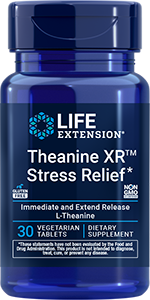
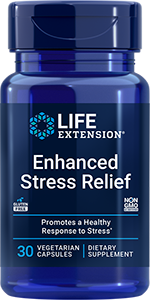
Natural Supplements for Relaxation Support
Some people prefer to explore natural approaches before considering medication, while others use them alongside a treatment plan recommended by their healthcare provider. Certain supplements may help support relaxation, promote healthy sleep, and ease some of the physical symptoms that often accompany anxiety, panic, and chronic stress.